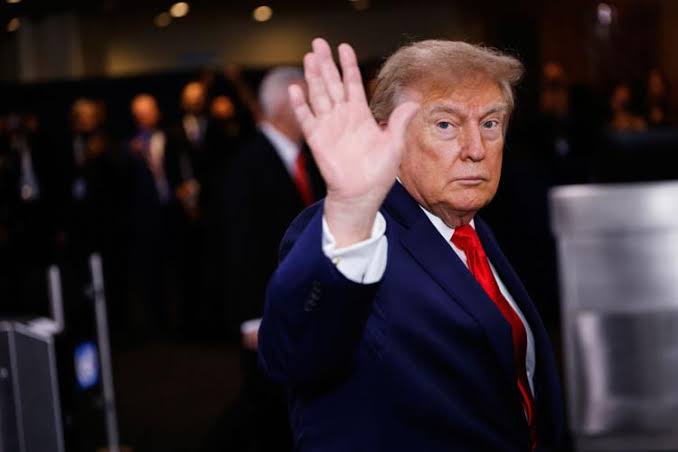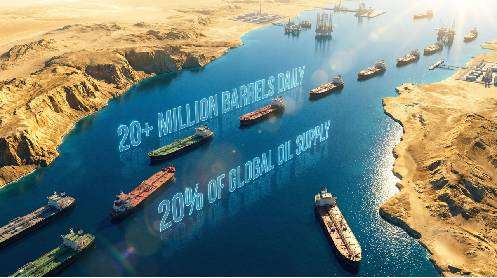
WASHINGTON: US President Donald Trump on Friday declared the Strait of Hormuz “fully open and ready for full passage,” even as Washington continues to enforce a naval blockade targeting Iran until a final agreement is reached.
The announcement came shortly after Iranian Foreign Minister Abbas Araqchi confirmed that the vital waterway would remain open for all commercial vessels during the Lebanon ceasefire. However, Iranian officials clarified that military vessels are still barred, underscoring the conditional nature of the reopening.
Despite signaling de-escalation in one of the world’s most critical energy corridors, Trump maintained pressure on Tehran, stating that the blockade would remain “in full force” until negotiations are “100% complete.” He expressed optimism that a deal could be finalized within days, noting that most issues have already been resolved.
Trump also praised Pakistan’s leadership for its mediation efforts, as Islamabad plays a central role in facilitating talks between Washington and Tehran, with support from regional partners including Egypt and Turkiye.
Meanwhile, Pakistan’s Foreign Minister Ishaq Dar emphasized that the goal is not merely extending the ceasefire but achieving a “permanent termination” of the conflict. He noted that over 80% of the negotiation framework has been completed, with only key issues remaining.
According to reports, both sides are working toward a three-page draft agreement that may include limits on Iran’s nuclear programme and mechanisms addressing its enriched uranium stockpile. However, differences persist over financial arrangements, including proposals to unfreeze billions in Iranian assets.
At the international level, António Guterres welcomed the reopening of the Strait, calling it “a step in the right direction” and urging full restoration of navigational freedoms.
With high-stakes talks expected soon—possibly in Islamabad—the evolving situation reflects a delicate balance between easing maritime tensions and sustaining diplomatic leverage in a region central to global energy security.
By Anwar Iqbal Additional input from agencies