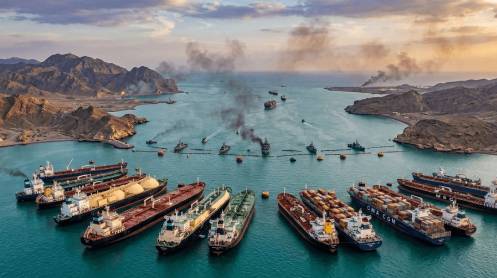
ISLAMABAD: Pakistan is confronting a deepening energy crisis as at least three liquefied natural gas (LNG) cargoes destined for the country remain stranded in the Persian Gulf following the closure of the critical Strait of Hormuz, according to international vessel-tracking data.
The disruption has left Pakistan without LNG imports for over a month, significantly raising the risk of prolonged electricity outages as summer demand intensifies.
Federal Minister for Power Sardar Awais Ahmad Khan Leghari confirmed that load-shedding during peak hours is likely to persist until LNG supplies resume. He attributed the supply halt to a force majeure declared by Qatar amid escalating regional tensions.
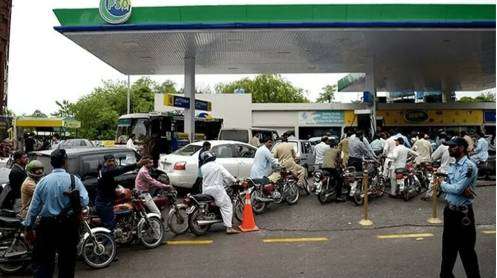
The country is currently facing an electricity shortfall of approximately 3,400 megawatts (MW), exacerbated by a decline in hydropower generation due to reduced rainfall and limited water releases from reservoirs. LNG-based power generation has also dropped sharply, forcing authorities to implement load management of up to 6–7 hours in certain areas.
Pakistan’s LNG-fired power plants, with an installed capacity of around 6,000MW, are currently producing only about 500MW due to gas shortages. Meanwhile, hydropower generation has fallen to nearly 1,600MW—almost half of the output recorded during the same period last year.
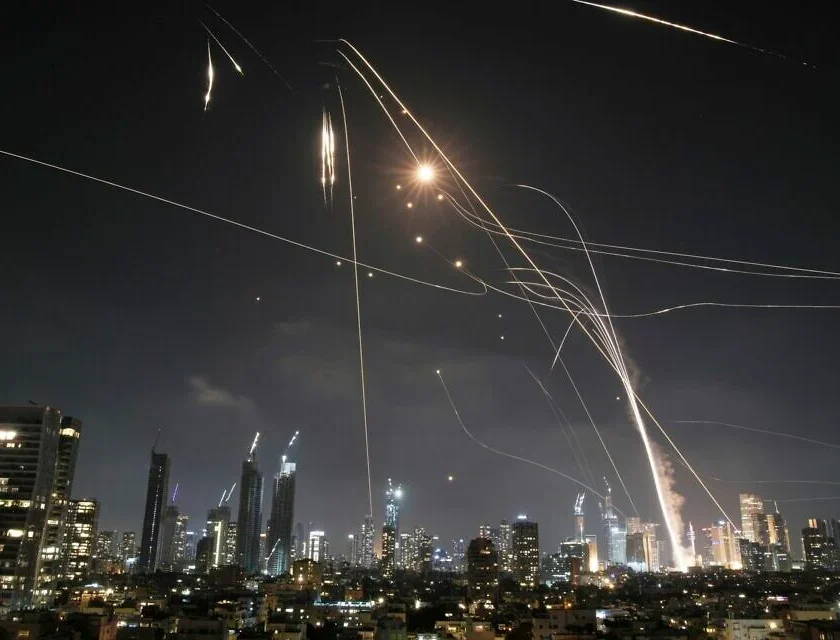
On the global front, uncertainty continues to loom over the fragile ceasefire linked to the Iran–US conflict 2026. Tensions escalated further after the United States reportedly seized an Iranian cargo vessel, prompting strong warnings of retaliation from Iran’s military leadership.
Iran has also rejected fresh negotiations, despite statements from former U.S. President Donald Trump indicating the possibility of renewed diplomatic engagement through Pakistan, coupled with threats of further military action if conditions are not met.
Energy experts warn that unless LNG supply routes through Hormuz are restored soon, Pakistan could face a worsening power crisis, higher generation costs, and extended load-shedding during the peak summer season.