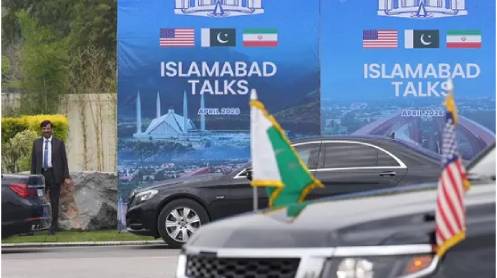
ISLAMABAD: Islamabad is set to host the second round of high-stakes negotiations between United States and Iran, after the White House confirmed that a senior American delegation will arrive in Pakistan this week.
The delegation will be led by U.S. Vice President JD Vance and include President Donald Trump’s Middle East envoy Steve Witkoff and senior adviser Jared Kushner.
The upcoming talks follow a marathon 21-hour round of negotiations held last week that ended without a breakthrough. However, diplomatic sources indicate that intensive backchannel engagement since then has raised cautious optimism for progress.
While Washington has confirmed its participation, Tehran has yet to formally endorse the process. Iran’s state-run Islamic Republic News Agency (IRNA) dismissed reports of its involvement, citing ongoing U.S. sanctions, naval blockades, and what it described as “threatening rhetoric” as major obstacles to meaningful dialogue.
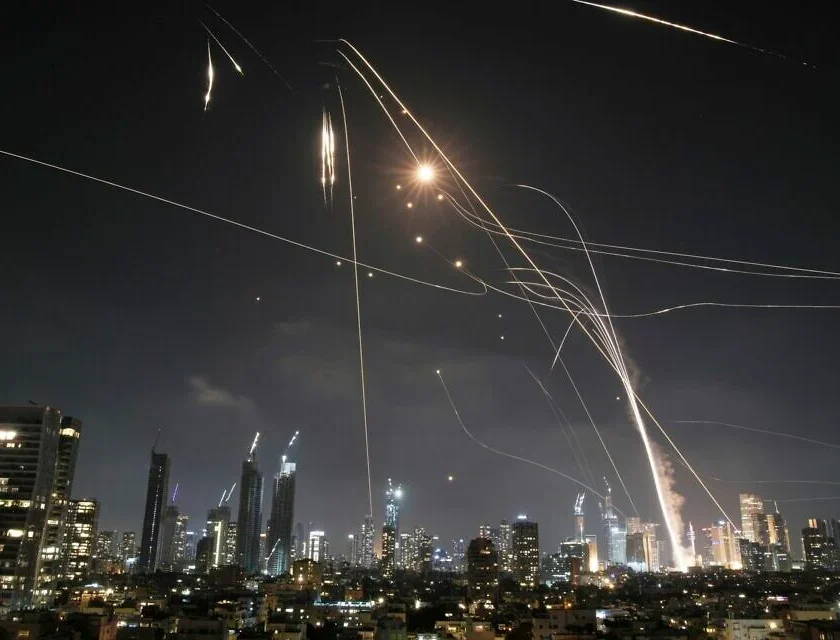
The uncertainty comes amid renewed tensions in the region, particularly around the Strait of Hormuz, following reports of a U.S. seizure of an Iranian-flagged cargo vessel in the Gulf of Oman. The incident has cast doubt over a fragile ceasefire set to expire later this week.
Despite escalating rhetoric, Washington has reiterated its commitment to dialogue. President Trump confirmed the visit, stating that U.S. representatives would arrive in Islamabad for negotiations, while also warning of severe consequences if a deal is not reached.
Pakistan, positioning itself as a neutral facilitator, has intensified diplomatic efforts to keep both sides engaged. Officials describe the country’s role as that of an “honest broker,” leveraging its ties with both Washington and Tehran to ease tensions.
Security has been significantly tightened across Islamabad and Rawalpindi ahead of the talks. Authorities have deployed over 18,000 personnel in the capital, supported by an additional 7,000 reinforcements, with key areas placed under strict surveillance and access control.
Despite mixed signals from Iran and heightened regional tensions, diplomatic insiders remain cautiously optimistic. They believe that both sides still have a genuine interest in reaching a negotiated settlement, although major differences persist.
As Pakistan prepares to host this critical round of talks, expectations remain measured, with any potential breakthrough hinging on the ability of Washington and Tehran to bridge longstanding divides.
Story by Kamran Yousaf