ISLAMABAD: Pakistan’s improving global standing, marked by its diplomatic role in easing tensions between the US and Iran, has created a window of opportunity for economic recovery and industrial expansion. With international oil markets showing signs of stability, the country is well-positioned to capitalise on a more favourable external environment.
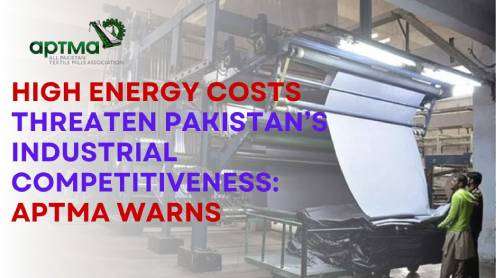
However, the All Pakistan Textile Mills Association (APTMA) has cautioned that domestic policy challenges—particularly rising energy costs—are undermining these prospects. In a letter to Minister for Petroleum and Natural Resources Ali Pervaiz Malik, the association warned that excessive petroleum levies are driving up the cost of doing business and eroding industrial competitiveness.
At the heart of the issue is the steep levy on furnace oil, currently set at around Rs80,000 per tonne. This has pushed furnace oil prices to approximately Rs330,000 per tonne, significantly increasing the cost of alternative power generation. Electricity produced through backup systems now costs nearly Rs75 per unit—more than double the average grid tariff of about Rs32 per unit.
The burden is particularly severe for export-oriented industries, which operate on thin margins and face stiff international competition. APTMA Chairperson Kamran Arshad highlighted that such elevated energy costs create a structural disadvantage, especially when regional competitors benefit from more stable and affordable pricing regimes.
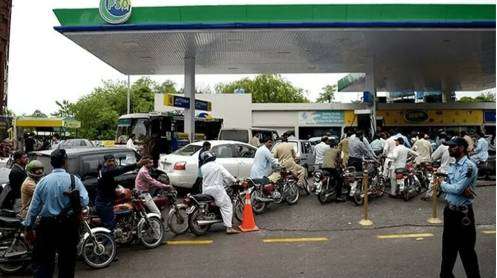
The situation is further aggravated by persistent load shedding in industrial zones, forcing manufacturers to rely on furnace oil-based backup generation. What was intended as an emergency solution has become an expensive necessity due to the prevailing levy structure.
Industry stakeholders argue that the petroleum levy—originally introduced as a revenue-generating measure—is now directly impacting electricity tariffs and overall production costs. They maintain that imposing such a high levy on a backup fuel lacks economic justification and effectively penalises industries striving to maintain operational continuity amid unreliable grid supply.
Concerns have also been raised regarding the captive power levy framework, which businesses say has increased operational costs without delivering meaningful improvements in energy availability or efficiency.
Business leaders stress that the timing is critical. With Pakistan gaining international recognition and benefiting from a relatively stable external environment, there is a strong opportunity to boost exports and attract investment—provided domestic energy policies are aligned with these goals.
APTMA and other industry groups are calling for an urgent reassessment of the furnace oil levy and broader reforms in energy pricing. They argue that rationalising these costs is essential not only to ease pressure on industry but also to convert Pakistan’s diplomatic momentum into tangible economic growth.
Story by Khalid Mustafa