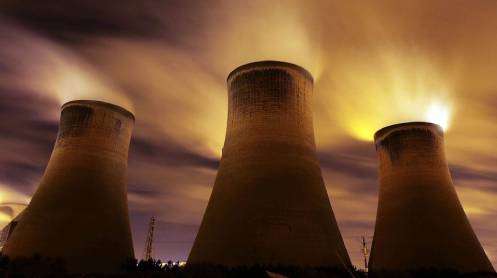
Pakistan’s reliance on coal-fired electricity generation has reached an all-time high after disruptions in regasified liquefied natural gas (RLNG) supplies pushed the power sector toward greater use of imported and local coal.
According to data from the Central Power Purchasing Agency (CPPA), compiled by Topline Securities, coal-based generation accounted for 22% of Pakistan’s total electricity production during the first nine months of FY2026 — the highest level recorded in the country’s energy mix.
The shift has been linked to a decline in RLNG-based power generation, following supply disruptions triggered by geopolitical tensions involving the United States and Iran, as well as constraints caused by the temporary closure of the Strait of Hormuz, a critical global energy shipping route.
With RLNG availability under pressure, Pakistan increasingly relied on imported coal power plants as a comparatively cheaper alternative for electricity generation. Output from domestic coal-based plants, including Thar coal projects, also registered an increase during the period.
Data shows a steady rise in coal’s share in the national power mix over the past several years, increasing from 9.8% in FY2018 to 22% in 9MFY2026.
Energy experts note that Pakistan’s power sector continues to face challenges from fuel supply volatility, rising import costs and growing circular debt, all of which have intensified dependence on coal-based generation despite environmental concerns.
Pakistan has invested significantly in coal power projects under the China–Pakistan Economic Corridor (CPEC), including both imported coal and indigenous Thar coal developments, which now form a major part of the country’s electricity supply chain.