ISLAMABAD: The Petroleum Division has proposed reducing the petroleum levy collection target to Rs1 trillion for the next fiscal year and lowering the levy rate on petrol and diesel to Rs50 per litre, citing rising global oil prices and worsening affordability concerns for consumers.
In its budget 2026-27 recommendations submitted to the Ministry of Finance, the division warned that high fuel taxes are intensifying inflationary pressures and creating social and economic stability risks. It argued that reliance on petroleum levies should be reduced, particularly amid volatility driven by geopolitical tensions and global energy market disruptions.
Petroleum Minister Ali Pervaiz Malik, in a letter to Finance Minister Muhammad Aurangzeb, said that the ongoing global situation, including the US-Iran conflict and its impact on oil prices, makes it necessary to ease the tax burden on consumers.
The proposed Rs1 trillion levy target is Rs727 billion lower than International Monetary Fund (IMF) projections for the next fiscal year and Rs468 billion below the current year’s original target.
As an alternative, the division suggested reducing the levy rate from the IMF-agreed level to Rs50 per litre for petrol and diesel, compared to the current Rs118 per litre on petrol. It proposed that the rate could be revised upward only if global crude prices fall below $60 per barrel.
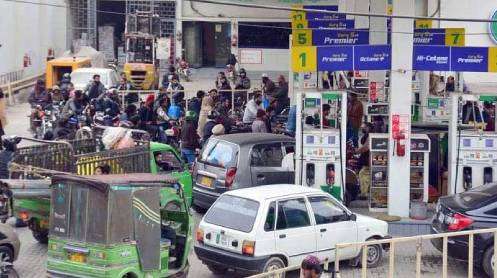
Officials said Pakistan had already increased fuel prices significantly following the escalation in global tensions, with petrol rising by around 56 per cent and diesel by 48 per cent to reflect international market movements and tax adjustments.
The Petroleum Division stressed that lowering levy targets and rates is essential to provide relief to consumers and support economic stability. However, it noted that petroleum levies have become a key revenue source for the government, with targets consistently exceeded since 2022.
The division also recommended reducing the sales tax on liquefied petroleum gas (LPG) from 18 per cent to 10 per cent, arguing that LPG is widely used by lower-income households and should be made more affordable.
In addition, it called for resolution of long-standing financial and tax issues in the oil and gas sector, including clearance of Rs55 billion in pending tax refunds for Sui Northern Gas Pipelines Limited (SNGPL) and addressing Rs182 billion in disputed tax demands linked to gas swapping arrangements between Sui companies.
The proposals also urged the Ministry of Finance to allocate Rs130 billion for gas subsidies in the next budget instead of passing costs on to consumers, and to provide Rs61 billion in support to Pakistan State Oil (PSO) to cover exchange rate losses and import financing costs.
The division further recommended abolishing the 10 per cent super tax on oil and gas companies, arguing that it has negatively affected sector profitability and investment potential.
Budget discussions between the relevant ministries and international lenders, including the IMF, have recently concluded, with the federal budget for 2026-27 expected to be announced on June 5.
Story by Shahbaz Rana