ISLAMABAD: Pakistan and Qatar have reported significant progress in the first high-level negotiations between the United States and Iran held under the framework of the Islamabad Memorandum of Understanding (MoU), with both sides agreeing on a roadmap aimed at reaching a comprehensive agreement within 60 days.
A joint statement issued following the Lake Lucerne Summit in Burgenstock, Switzerland, described the talks as “positive and constructive,” resulting in the establishment of a High-Level Committee and multiple technical working groups to address key issues, including sanctions, nuclear matters, monitoring mechanisms and dispute resolution.
The four-party talks brought together senior officials from Iran, the United States, Pakistan and Qatar. The US delegation was led by Vice President JD Vance, while Iranian Parliament Speaker Mohammad Bagher Ghalibaf headed Tehran’s team. Prime Minister Shehbaz Sharif and Qatari Prime Minister Sheikh Mohammed bin Abdulrahman Al Thani served as mediators throughout the negotiations.
Despite moments of tension, including Iran’s reported boycott of a photo session and temporary walkout over recent remarks by US President Donald Trump, mediators managed to steer discussions back on track and secure agreement on several key issues.
Under the agreed framework, a High-Level Committee will provide political oversight of the negotiation process, while chief negotiators from both countries will lead specialized working groups focused on sanctions relief, nuclear concerns and implementation mechanisms. The parties also agreed to launch further technical talks immediately, with the goal of finalizing a broader agreement within two months.
As a confidence-building measure, Iran and the United States agreed to establish a direct communication channel aimed at preventing incidents and miscalculations in the Strait of Hormuz and ensuring the safe passage of international commercial shipping through the strategically important waterway.
In a separate development, mediators announced the creation of a de-confliction cell involving Iran, the United States and Lebanon to oversee implementation of provisions related to the cessation of military operations in Lebanon envisioned under the Islamabad MoU.
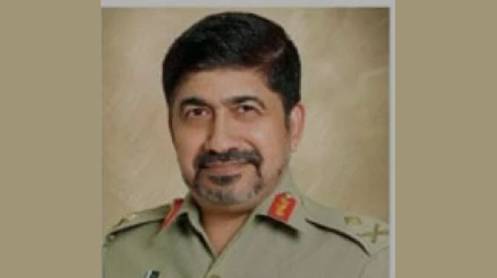
Prime Minister Shehbaz Sharif welcomed the progress, describing the agreement on a roadmap, political oversight mechanism and technical talks as important milestones. He praised the leadership of both countries for maintaining engagement and acknowledged Qatar’s role in facilitating dialogue. The prime minister also commended Chief of Army Staff Field Marshal Asim Munir for his efforts in advancing the diplomatic process.
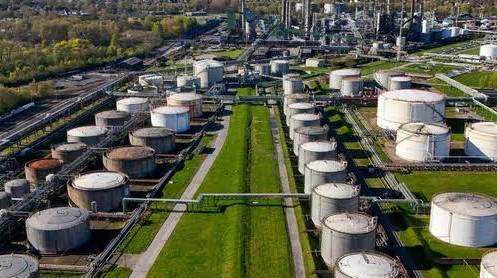
A major breakthrough emerged when the Trump administration announced a temporary 60-day waiver on sanctions related to Iranian oil exports. US Treasury Secretary Scott Bessent said the decision followed productive discussions in Switzerland and was intended to support ongoing diplomacy.
According to the US administration, the waiver permits Iran to export oil without sanctions restrictions until August 21, potentially providing substantial economic relief to Tehran. Washington also claimed that Iran had committed to maintaining free navigation in the Strait of Hormuz and allowing inspectors from the International Atomic Energy Agency (IAEA) access to its facilities.
Vice President JD Vance described the negotiations as highly productive, saying the talks had laid the foundation for a broader agreement addressing nuclear concerns, regional security and economic issues.
However, Iranian officials challenged several US claims, highlighting lingering differences between the two sides. Iranian Foreign Ministry spokesman Esmail Baghaei denied that Tehran had accepted any new commitments regarding nuclear inspections, insisting that Iran remains bound by legislation passed by parliament and decisions of the Supreme National Security Council.
Iranian state media also reported that nuclear issues were not substantively discussed during the nearly 18-hour negotiations and that any future arrangements regarding inspections or enriched uranium stockpiles would be subject to separate negotiations as part of a final agreement.
Despite the differing interpretations, diplomats involved in the process view the establishment of formal working groups, a political oversight structure and direct communication channels as the most substantial progress achieved since the signing of the Islamabad MoU.
Technical-level negotiations are expected to continue in Burgenstock throughout the week as both sides work to convert broad understandings into a comprehensive agreement covering sanctions relief, nuclear issues, maritime security and regional stability.
Story by Kamran Yousaf WITH INPUT FROM AGENCIES