ISLAMABAD: The Petroleum Division has defended the appointment of senior serving public officials to the Board of Pak-Arab Refinery Company (PARCO), describing the practice as an internationally recognized corporate governance model designed to safeguard the government’s strategic and commercial interests.
The clarification follows recent media reports questioning the reappointment of senior government officials to the PARCO Board, coinciding with an audit report by the Auditor General of Pakistan (AGP), which noted that PARCO had not provided its financial records for audit during FY2024-25.
In a statement issued on Monday, the Petroleum Division emphasized that appointing serving public officials to the boards of state-owned enterprises, sovereign investment entities, and strategic joint ventures is common international practice.
The ministry said governments in OECD countries, Gulf Cooperation Council (GCC) states, Singapore, Malaysia, and several European jurisdictions routinely nominate senior government officials to the boards of enterprises in which the state holds significant ownership or strategic interests.
According to the Petroleum Division, such appointments strengthen corporate governance by ensuring effective shareholder oversight, informed decision-making, and the protection of public assets.
Strategic Importance of PARCO
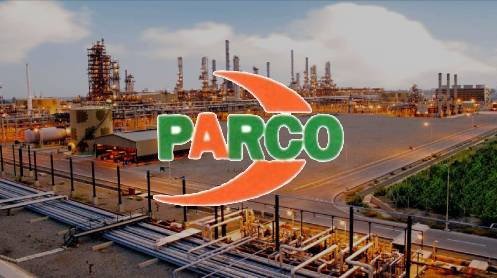
The ministry noted that PARCO is one of Pakistan’s largest and most strategically important energy companies. Pakistan holds a 60% equity stake in the refinery and is entitled to nominate six directors, while the United Arab Emirates (UAE), which owns the remaining 40%, appoints the other board members.
The Petroleum Division stated that, given PARCO’s strategic role in Pakistan’s energy sector, the government has consistently nominated experienced senior public officials to represent the state’s interests.
Among those recently reappointed for a three-year term are Federal Board of Revenue (FBR) Chairman Rashid Mahmood Langrial and Federal Minister for Economic Affairs Ahad Khan Cheema. Other serving federal secretaries also serve as ex-officio directors on the board.
The ministry stressed that all appointments are made on merit, taking into account the statutory responsibilities, experience, and expertise of the nominees.
Response to Audit Concerns
The Petroleum Division’s statement came after the Auditor General of Pakistan reported that PARCO had not provided its accounts for audit during the financial year 2024-25, despite the government’s majority ownership in the company.
While acknowledging the audit observations, the ministry maintained that government representation on the board remains essential for exercising informed shareholder oversight and protecting Pakistan’s financial, strategic, and commercial interests.
Board Remuneration Explained
Responding to public discussion regarding directors’ remuneration, the Petroleum Division clarified that payment of board fees is a globally accepted component of corporate governance in both the public and private sectors.
The ministry explained that board members carry significant legal and fiduciary responsibilities, including reviewing financial statements, investment proposals, business strategies, audit reports, regulatory compliance matters, enterprise risks, and other strategic issues before participating in board decisions.
According to the Petroleum Division, directors’ remuneration is paid in recognition of these statutory responsibilities and professional obligations and should not be viewed as an executive salary or employment benefit.
The ministry confirmed that the remuneration is determined by PARCO’s Board under its approved corporate governance framework and applicable legal arrangements, adding that government nominees do not determine their own compensation.
It further stated that directors nominated by both the Government of Pakistan and the Abu Dhabi shareholder receive identical compensation under the same policy, with no preferential treatment.
The board holds four scheduled meetings annually, and directors are paid US$3,500 per meeting, amounting to US$14,000 per year for attendance at board meetings. No additional remuneration is paid for committee meetings.
Reaffirming its commitment to transparency and good governance, the Petroleum Division said the government will continue to nominate individuals with the required experience, competence, and integrity to the boards of strategic enterprises, ensuring the highest standards of corporate governance while safeguarding Pakistan’s national interest.
Story by Shahbaz Rana