ISLAMABAD: The federal government is considering reintroducing fuel conservation and austerity measures as early as this week or next, amid renewed tensions in the Middle East that have pushed up global oil prices and increased pressure on Pakistan’s foreign exchange reserves.
Officials said Prime Minister Shehbaz Sharif has already held discussions on reviving the measures, with the proposal expected to be taken up by the federal cabinet for formal approval.
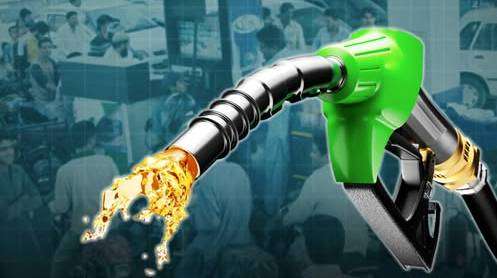
The move comes as the government has introduced a new petroleum pricing schedule under which retail prices of petrol and high-speed diesel will be revised on working days only. Instead of weekly announcements, prices will now be notified from Monday to Friday, while rates announced on Friday will remain effective through Saturday, Sunday and Monday.
A senior government official clarified that the change affects only the frequency of price revisions, not the pricing mechanism itself.
The Oil and Gas Regulatory Authority (OGRA) will continue to calculate daily price movements and submit its recommendations to the Petroleum Division, which will issue the official notifications. The official noted that OGRA has always calculated fuel prices daily, even when retail rates were revised on a fortnightly or weekly basis.
Under the revised system, daily international price assessments published by S&P Global Platts will be used on a rolling basis, replacing the oldest day’s data with the latest available price to determine local fuel prices.
The official also said OGRA will once again publish detailed price calculations on its website, restoring a transparency practice that was discontinued around 15 years ago when the federal government assumed direct control over petroleum pricing decisions.
Despite the changes, officials stressed that fuel prices have not been deregulated.
The government will continue to determine petroleum levy, climate levy, customs duties, freight equalisation margins, and the profit margins of oil marketing companies and petroleum dealers. Fuel imports and supply arrangements will also remain under government oversight.
Currently, government taxes and margins amount to approximately Rs110 per litre on petrol and Rs96 per litre on high-speed diesel, with any adjustments to these charges remaining a policy decision of the government.
Officials said full deregulation of the petroleum market may be considered in the future, allowing oil marketing companies to compete freely on pricing and sourcing. However, they cautioned that such a move could create challenges for local refineries, petroleum dealers and consumers, particularly in remote areas.
The Petroleum Minister is also reportedly engaging with investors from friendly countries to establish strategic oil storage facilities at Pakistan’s ports and coastal areas to strengthen energy security.
Meanwhile, the government is closely monitoring the country’s foreign exchange position. Officials said there is a firm policy decision not to allow reserves to decline significantly after they fell to around $22.67 billion on July 10, down from $23.99 billion at the beginning of the month.
If approved, the government could revive the fuel conservation measures introduced in March, following disruptions in oil supplies linked to tensions around the Strait of Hormuz.
Those measures included a four-day workweek, 50% reduction in staff attendance, cuts in the use of official vehicles, increased use of online meetings, restrictions on non-essential government expenditure, a ban on foreign travel by public officials, highway speed limits, reduced public-sector salaries for high-income earners, and restrictions on commercial operating hours.
Most of these measures were withdrawn in June after oil markets stabilised following a ceasefire understanding between the United States and Iran. However, with geopolitical tensions once again driving crude prices higher, the government is reviewing contingency plans to reduce fuel consumption and safeguard Pakistan’s external finances.
Story by Khaleeq Kiani