ISLAMABAD: The government has rolled out a three-pronged strategy to ensure uninterrupted fuel supplies across Pakistan amid escalating geopolitical tensions between the United States and Iran. The plan focuses on increasing refinery output, accelerating petroleum imports, and cracking down on fuel hoarding and stock manipulation by oil marketing companies (OMCs).
As part of the enforcement campaign, the Oil and Gas Regulatory Authority (OGRA) has issued show-cause notices to Fazaia Oil, Inam Petroleum, Askar Oil, Shell Pakistan, Attock Petroleum, Hascol Petroleum, Flow Petroleum, and Puma Energy for allegedly violating the mandatory requirement to maintain at least 21 days of petroleum stocks. The notices relate to approximately 47,000 metric tons of field inventory.
Authorities are also investigating the alleged manipulation of nearly 300,000 metric tons of petroleum stocks through off-take adjustments at six major depots, including PSO Machike, GO Keamari, Attock Shikarpur, PSO Mehmood Kot, and Rawalpindi. OGRA has deployed enforcement teams across the country, working with district administrations to intensify inspections of storage facilities and retail fuel outlets.
The move comes as Pakistan’s oil supply chain faces mounting pressure from multiple factors, including expectations of higher fuel prices triggered by the US-Iran conflict, reduced inflows of smuggled petroleum products from western borders, and delays in the arrival of three vessels carrying around 161,000 metric tons of fuel. Limited product movement through pipeline-linked bonded terminals at Mehmood Kot, Faisalabad, and Machike has further tightened supplies.
According to official sources, these disruptions have driven fuel sales among leading OMCs 14% to 68% above planned July volumes, placing additional pressure on inventories.
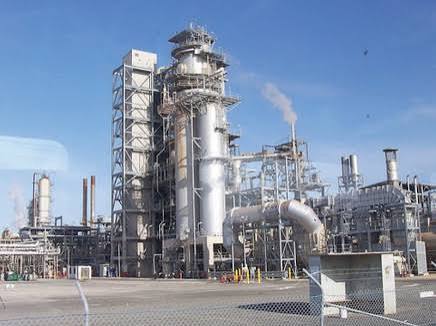
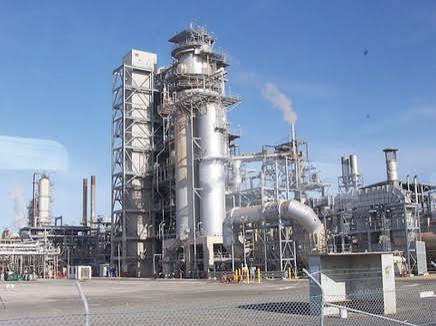
To stabilise the market, the government has instructed local refineries to maximise petrol production during July and August, while pipeline operators PAPCO, PARCO, and Customs authorities have been directed to expedite the clearance of bonded fuel stocks.
In addition, Pakistan State Oil (PSO) has received approval to import additional petrol cargoes later this month to replenish motor spirit (MS) inventories. Refineries have also been instructed to increase high-speed diesel (HSD) production over the next two weeks to offset an estimated production shortfall of 35,000 metric tons. PSO has further been authorised to import two HSD cargoes from Kuwait Petroleum in August to strengthen national fuel reserves.
The government has also directed refineries to procure additional crude oil cargoes during July and August to boost the production of petrol and diesel, amid declining national inventories and stronger refining margins. However, officials acknowledge that shipping through the Strait of Hormuz remains a key challenge due to the volatile regional security environment.
Fuel demand has risen sharply this month, exceeding official projections. Petrol (MS) sales reached 356,000 metric tons, compared with the planned 295,000 metric tons, marking an increase of 61,000 metric tons (21%). Average daily petrol sales climbed to 25,400 metric tons, well above the projected 21,000 metric tons.
Similarly, HSD sales surged to 329,000 metric tons, compared with an expected 229,000 metric tons, reflecting an increase of 100,000 metric tons (44%). Daily diesel consumption averaged 23,500 metric tons, significantly higher than the projected 16,000 metric tons.
Despite the surge in demand, Pakistan currently holds approximately 416,000 metric tons of petrol, sufficient for around 17 days of consumption at current demand levels, while 463,000 metric tons of HSD stocks provide nearly 20 days of supply.
Under its nationwide anti-hoarding campaign, OGRA has so far inspected 1,922 petrol stations and initiated legal action against suspected violators under the Oil Rules 2016, reinforcing efforts to maintain market stability and prevent artificial shortages.
Story by Zafar Bhutta