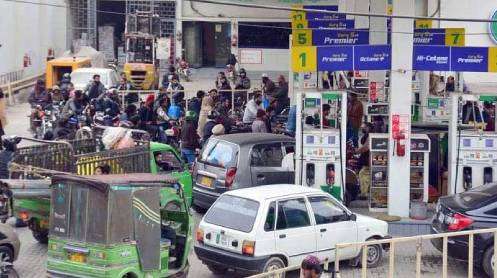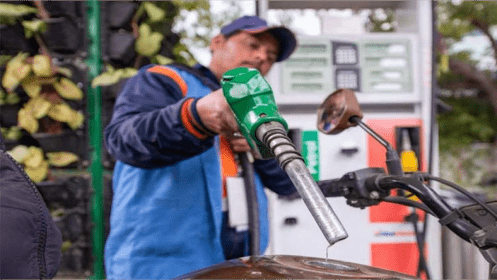
Petrol imported into Pakistan from the international market costs approximately Rs195–196 per litre when it arrives at the country’s ports. However, by the time it reaches consumers at petrol stations, its retail price rises to around Rs335–350 per litre. This raises an important question: Where does the additional amount go, and who receives it?
As soon as the fuel arrives at the port, customs duties, port handling charges, and other import-related costs add approximately Rs17–18 per litre to its price. This is followed by several other taxes, levies, and distribution charges.
The next stage involves Oil Marketing Companies (OMCs) and the fuel supply chain. OMCs receive a margin of approximately Rs16.50 per litre to cover transportation, storage, and administrative expenses. In addition, freight charges of around Rs7.16 per litre are added to transport fuel across the country.
Petrol pump operators (dealers) also receive a commission. Following a series of nationwide strikes and negotiations with the government, the dealer margin was increased to approximately Rs9.50 per litre, after three rounds of unsuccessful talks before an agreement was finally reached.
The largest share of the retail price consists of government taxes and levies. The federal government currently charges:
- Rs80 per litre as Petroleum Levy
- Rs5 per litre as a Climate Change Support Fund levy
Overall, local taxes, levies, and margins on petrol total approximately Rs108.67 per litre, while the combined taxes and margins on diesel amount to Rs96.86 per litre.
For diesel, the breakdown includes:
- Petroleum Levy: Rs70.82 per litre
- Climate Levy: Rs5.00 per litre
- Freight Charges: Rs4.53 per litre
- OMC Margin: Rs7.87 per litre
- Dealer Margin: Rs8.64 per litre
The burden of these charges falls most heavily on ordinary citizens, particularly motorcycle users. With more than 25 million motorcycles on Pakistan’s roads, a person consuming 2–3 litres of petrol per day is estimated to contribute around Rs18,000–20,000 per month in taxes and levies through fuel purchases.
The revenue collected from these taxes and levies is deposited into the national treasury, where it is used to finance government expenditures, public administration, infrastructure, debt servicing, and other state functions. However, critics argue that the heavy taxation of petroleum products significantly increases transportation costs, which in turn fuels inflation and raises the overall cost of living across the country.