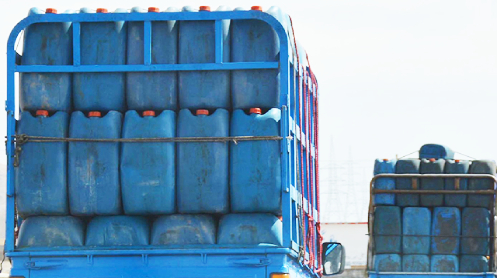
**KARACHI:** The flow of smuggled Iranian petroleum products into Pakistan has declined by an estimated **60%** over the past six weeks after multiple oil tankers were reportedly destroyed in Balochistan, causing significant losses to smuggling networks, according to industry sources.
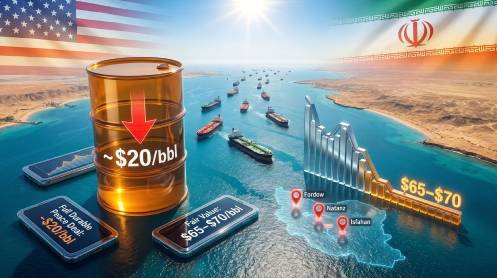
Oil sector stakeholders have long urged authorities to curb the illegal trade, which has persisted for years. However, smuggling reportedly surged following the **US-Israeli conflict with Iran**, when global crude oil prices climbed above **$100 per barrel**, increasing demand for cheaper fuel.
Industry sources claimed that **at least six oil tankers** transporting fuel from Iran were destroyed by militants in Balochistan during the past month and a half, although the exact number could not be independently verified.
The conflict, which began on **February 28**, also disrupted global energy markets as the **Strait of Hormuz**—a key global energy chokepoint handling around **20% of the world’s oil trade**, **20% of liquefied natural gas (LNG)** shipments and nearly **one-third of global fertiliser trade**—faced temporary closure concerns.
While many fuel-importing countries experienced pressure on petroleum supplies, Pakistan managed to avoid shortages. The country maintained fuel reserves sufficient for approximately **25 days**, while additional cargoes continued to arrive during the conflict.
According to industry sources, the availability of smuggled Iranian fuel also increased during the crisis, with illegal petroleum products reaching not only **Balochistan** but extending into **Sindh**, including **Karachi**, and reportedly supplying parts of **Punjab** as well.
“The exact volume is difficult to quantify, but the influx of smuggled fuel has now declined by at least **60%**,” an industry source said.
Pakistan spent a record **$16.86 billion** on petroleum imports in **FY2025-26**, accounting for nearly **22% of the country’s total import bill**. Despite higher international oil prices, petroleum imports remained within the historical range of **22–25%** of Pakistan’s annual import expenditure.
According to the **Pakistan Bureau of Statistics (PBS)**, the country’s petroleum import bill stood at **$15.94 billion** in the previous fiscal year.
Industry estimates suggest that Pakistan’s **illegal trade with Iran exceeds $2 billion annually**, covering not only petroleum products but also consumer goods such as edible oil, food items, detergents and soaps, many of which are widely available in Karachi.
Trade and industry circles believe authorities largely tolerated the increased inflow of Iranian fuel during the regional conflict to help prevent domestic fuel shortages as global supply chains faced disruptions.
Although the government continued to pass on higher international oil prices to consumers through domestic price adjustments, Pakistan successfully avoided the fuel rationing and supply disruptions experienced by several countries in the region.
Story by Shahid Iqbal