Pakistan’s exporters are facing higher production and transportation costs as volatile global oil prices feed through to domestic industry, prompting the country’s apex trade body to seek targeted relief from petroleum levies.
Thank you for reading this post, don't forget to subscribe!The Federation of Pakistan Chambers of Commerce and Industry (FPCCI) called for an immediate suspension of the Petroleum Development Levy (PDL) for export-oriented manufacturing, saying firms should be partly insulated from international oil-price shocks.
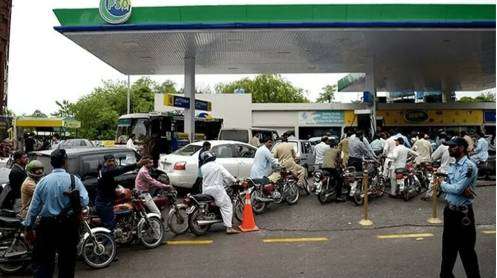
FPCCI President Atif Ikram Sheikh said higher high-speed diesel (HSD) and furnace oil prices were raising inland freight, supply-chain, power generation and manufacturing costs.
He said the resulting increase in operating expenses was squeezing exporters’ margins and weakening their ability to compete for international orders.
FPCCI also sought a reduction in industrial electricity and gas tariffs, arguing that energy costs should be brought closer to those prevailing among regional export competitors including Bangladesh, Vietnam and India.
The trade body separately called for a faster transition towards alternative and renewable energy sources to reduce industry’s exposure to imported fuel-price volatility.
Sheikh also urged a reduction in the State Bank of Pakistan’s policy rate to lower working-capital costs for manufacturers.
Small and medium-sized enterprises were particularly vulnerable to the increase in operating costs because of their weaker financial capacity, he said.
The FPCCI president warned that sustained pressure on margins and liquidity could force businesses to cut shifts or close production facilities, affecting employment and the broader export supply chain.
He said repeated international oil-price shocks, combined with domestic levies, could also weigh on Pakistan’s trade balance and macroeconomic stability if higher costs undermine export competitiveness.
FPCCI called for a broader policy framework to protect export-oriented industry from sharp movements in international energy prices while maintaining the sector’s foreign exchange earnings.