ISLAMABAD: Rising electricity and gas prices have emerged as the biggest concern among Pakistani citizens, according to the National Citizen Survey 2026, conducted by the Institute for Public Opinion Research (IPOR).
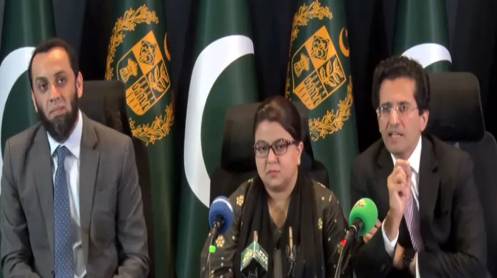
The findings were unveiled on Monday at a Citizens’ Roundtable in Islamabad convened by PILDAT Consulting, which led stakeholder engagement and communications for the public launch. The event brought together experts from academia, think tanks, the judiciary, legal profession and media to discuss the survey’s findings.
The National Citizen Survey 2026 was conducted through face-to-face, in-home interviews with 5,155 voting-age citizens between August 23 and September 5, 2026. The four-stage stratified sample covered all four provinces, with 60% of respondents from rural areas and 40% from urban areas, while representing major age, gender and income groups.
According to the survey, 19% of citizens identified rising electricity and gas prices as Pakistan’s biggest problem, making it the most frequently cited concern nationwide. The sharp increase in the cost of everyday goods was another major concern, while unemployment ranked third.
The survey also highlighted a significant gap between citizens’ priorities and public resource allocation. Federal health spending accounts for only 0.1% of the Rs18.771 trillion national budget, while 42.9% is allocated to debt servicing—more than the combined allocations for defence, health, education, pensions and subsidies.
Public Trust and Governance Concerns
The survey found that 18% of citizens said they had personally been asked for a bribe by a government official during the past year, highlighting persistent concerns over corruption and governance.
No public institution surveyed—including Parliament, the Election Commission and the Federal Board of Revenue (FBR)—secured the complete trust of a majority of citizens.
The Federal Investigation Agency (FIA) recorded the highest level of complete public trust at 33%, followed by the National Accountability Bureau (NAB) at 23%. Parliament received 15% complete trust, while the Revenue Department stood at 13%.
Business Environment Remains Difficult
The business environment also emerged as a major area of concern, with 91% of respondents saying it was difficult to start or operate a business in Pakistan.
Taxation was identified as the single biggest obstacle faced by businesses, underscoring concerns over the country’s tax and regulatory environment.
The survey further found that 60% of citizens believed Pakistan’s education system was not meeting the requirements of a modern economy.
Meanwhile, 68% viewed Pakistan’s IMF programme as either harmful or providing no benefit to the general public.
Growing Influence of Social Media
The findings also reflected changing patterns in how Pakistanis consume information. Around 42% of respondents said they now trust social media more than television for news, even though 56% blamed the internet for contributing to declining social values.
Drug use was another major concern, with 79% of citizens describing its rise in Pakistan as “extremely dangerous.”
Meanwhile, 66% expressed serious concern over the country’s rising national debt, including 49% who described the situation as “extremely concerning.”
The survey also found that 43% of respondents viewed reports about Pakistan by foreign-funded NGOs and think tanks as either factually inaccurate and exaggerated or driven by a foreign agenda, compared with 25% who considered such reporting fact-based.
Researchers said the consistency of the findings across the four provinces, as well as across rural and urban areas, income groups and age brackets, made the results particularly significant.
Mamoon Bilal, Executive Director of PILDAT Consulting, delivered the opening remarks, while Tariq Junaid, Executive Director of IPOR, presented the survey’s methodology and key findings.
Story by Asim Yasin