

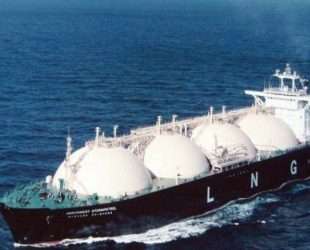
KARACHI: Pakistan’s energy challenge has entered a more complex phase, with the country struggling not only to secure LNG supplies but also to obtain fuel at prices that households, businesses and the economy can afford.
According to a report titled ‘LNG Supply Shock — From Contract Disruption to Energy-Cost Pressure’ released by the Institute of Cost and Management Accountants of Pakistan (ICMAP), geopolitical disruptions in 2026 transformed Pakistan’s LNG outlook almost overnight. Earlier concerns about an LNG surplus worth an estimated $5.6 billion gave way to an acute supply squeeze, forcing the country back into an increasingly expensive global spot market.
Between March and September 2026, Pakistan secured only 17 LNG cargoes, including 10 under long-term contracts and seven from the spot market, representing only a fraction of its typical import requirements.
The financial impact has been severe. Pakistan’s spot LNG procurement costs climbed from around $18.4 per mmBtu in April to $21.88 per mmBtu in July 2026, the highest spot price paid since the 2022 global energy crisis. Subsequent bids above $26 per mmBtu were rejected as unaffordable, despite being close to prevailing Asian LNG benchmark prices.
The consequences have quickly spread across the energy sector. LNG-based electricity generation costs increased from Rs21.73 per unit in August 2025 to Rs45.93 per unit in August 2026, an increase of more than 111 per cent in a year. Overall power-generation costs also rose by nearly 38 per cent year-on-year (YoY), adding pressure on electricity tariffs, public finances and the energy sector’s circular debt.
The report said the crisis has exposed deeper structural vulnerabilities in Pakistan’s energy framework. Heavy reliance on a limited pool of LNG suppliers and inflexible long-term contracts reduced the country’s ability to respond when global markets tightened.
In contrast, several Asian economies, including Bangladesh, India, Thailand, Taiwan and Vietnam, were able to secure alternative supplies through more diversified procurement arrangements and broader supplier networks, the report said.
While acknowledging the government’s efforts to secure Qatari cargoes, expand government-to-government supply arrangements and pursue new agreements, including the partnership with Oman’s OQ Trading, the report said temporary measures alone could not insulate Pakistan from future shocks.
The study called for a more resilient energy strategy built around supplier diversification, greater contractual flexibility, stronger demand forecasting, strategic fuel reserves and accelerated investment in domestic energy resources, including hydropower, renewable energy, nuclear power and indigenous fuels.





