Pakistan’s solar revolution needs a manufacturing push; Punjab governor says absence of a government policy preventing Pakistan from developing a domestic solar manufacturing industry
By Amer Malik
Pakistan’s rapidly expanding solar revolution has reached a critical stage where the country can no longer afford to remain merely a major consumer of imported solar technology. With solar generation already contributing significantly to the national energy supply, industry leaders and policymakers are now calling for a comprehensive policy to establish local manufacturing, create millions of jobs, reduce the foreign-exchange burden and turn Pakistan into a potential exporter of renewable-energy equipment.
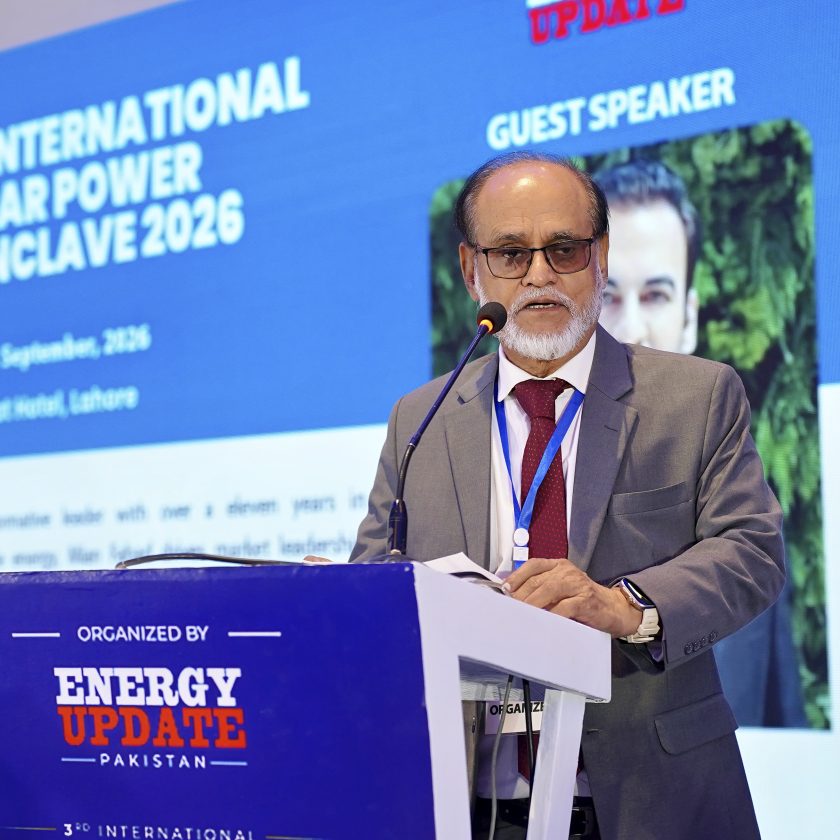
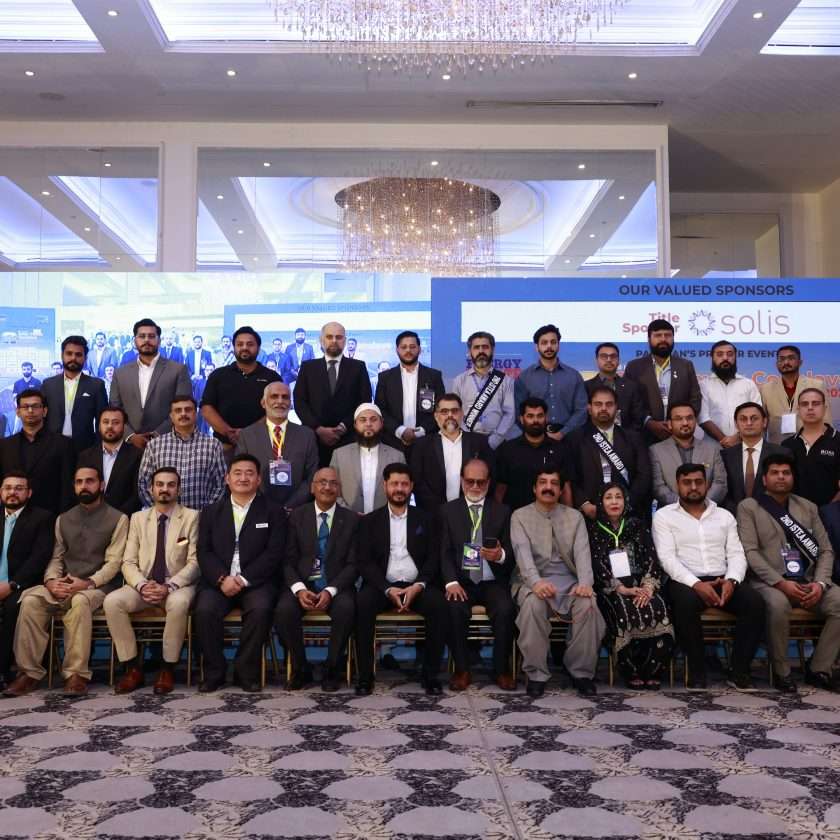
The call dominated the 3rd International Solar Power Conclave & Solar Technology Excellence Awards 2026, organised by Energy Update in collaboration with the Pakistan Solar Association (PSA), Renewable Energy Association of Pakistan (REAP) and Pakistan Alternative Energy Association (PAEA) in Lahore.
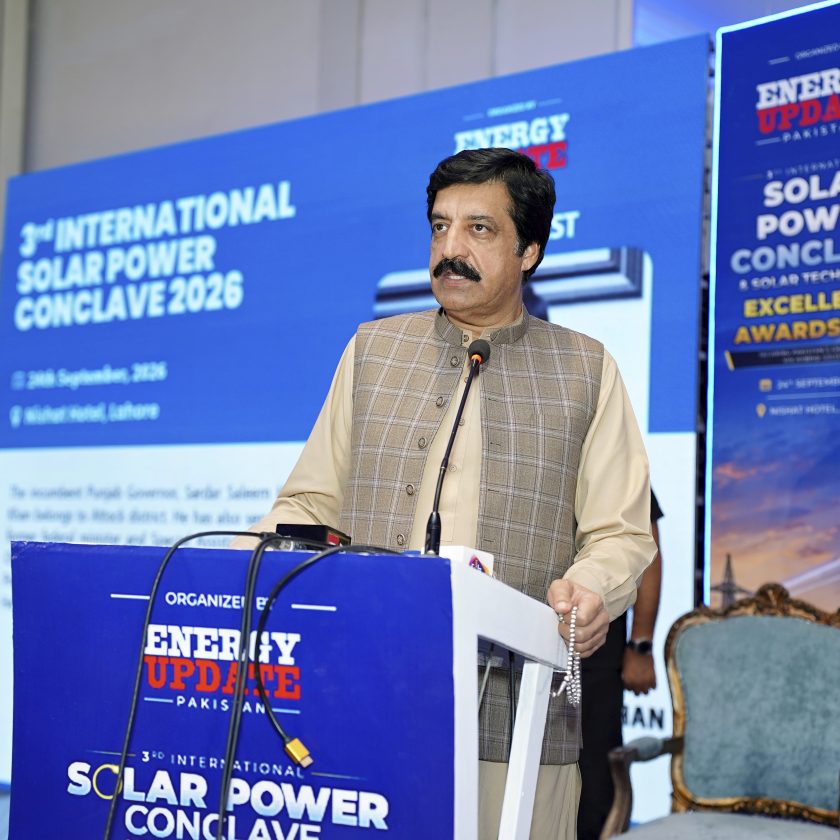
Punjab Governor Sardar Saleem Haider Khan, addressing the gathering, said the absence of a government policy was preventing Pakistan from developing a domestic solar manufacturing industry. “It is unfortunate that solar system manufacturing is not being done due to lack of a government policy,” he said, arguing that local manufacturing could create millions of jobs while providing clean, affordable energy and generating valuable foreign exchange.
The governor said the rising cost of conventional electricity had made solar increasingly important for ordinary Pakistanis. He described sunlight as a gift that should be utilised to reduce electricity bills and protect the environment. “If we are able to create a solar manufacturing industry, it will create millions of jobs and also produce clean, green energy, which is cheaper on consumers’ pockets and better for the environment,” he said.
He also referred to Sindh government initiatives under which hundreds of thousands of solar panels had been distributed free of cost among livestock farmers and flood-affected communities.
Punjab promises support
Punjab Minister for Energy Faisal Ayub said Pakistan’s electricity challenge had changed fundamentally. He recalled that the country experienced its worst load-shedding crisis beginning in 2009-10 and said the shortage was addressed during the 2013-18 PML-N government through the installation of power plants. The problem now, he said, was the high cost of electricity.
Solar already making a major contribution
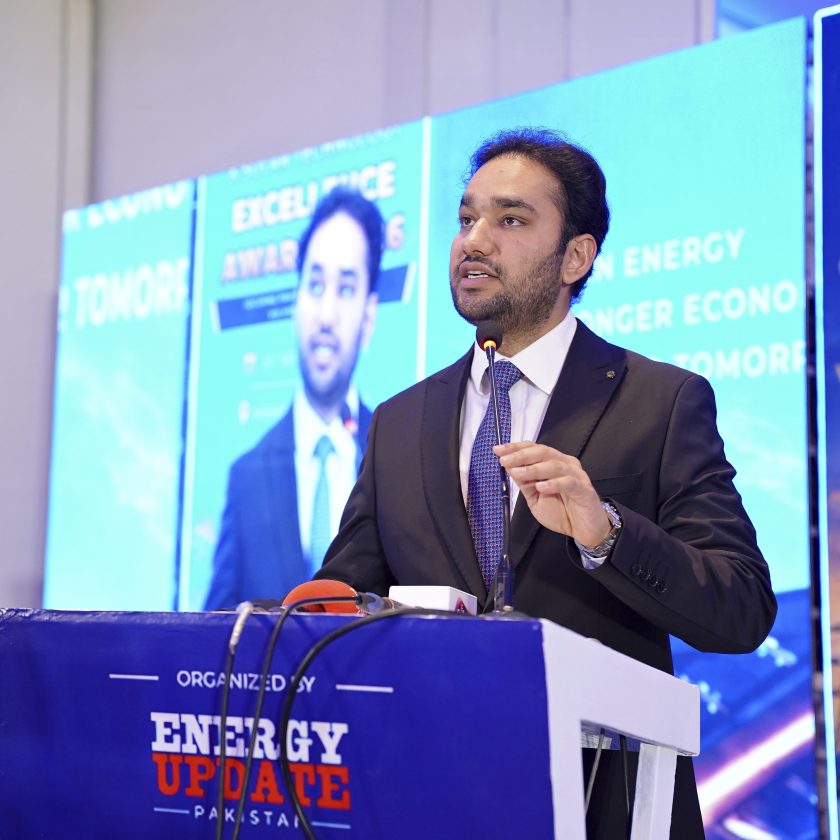
PSA President Adil Mahmood said solar energy was already contributing up to 40,000 MW to Pakistan’s energy supply. Without this contribution, he argued, the country could otherwise be facing five to seven hours of daily load-shedding.
Mahmood said the government was charging four paisas per unit, which he calculated at around Rs1.5 million per MW per month, and called for the charge to be removed. He said the solar market had expanded rapidly when there was no tax on solar panels, while subsequent measures had created hurdles for the industry. He also identified the abolition of net metering as another impediment to the further promotion of solar power.
The PSA president called for the abolition of duties and sales tax on batteries and proposed the establishment of local lithium battery manufacturing plants, which could initially meet domestic demand and eventually produce batteries for export.
Energy Update Managing Editor Naeem Qureshi said the renewable-energy sector had already generated up to two million jobs in Pakistan. He said solar-energy consumption had exceeded 40,000 MW, saving Pakistan around $6 billion, while the country had become the largest importer of solar systems from China at highly competitive rates.
Storage could define the next phase
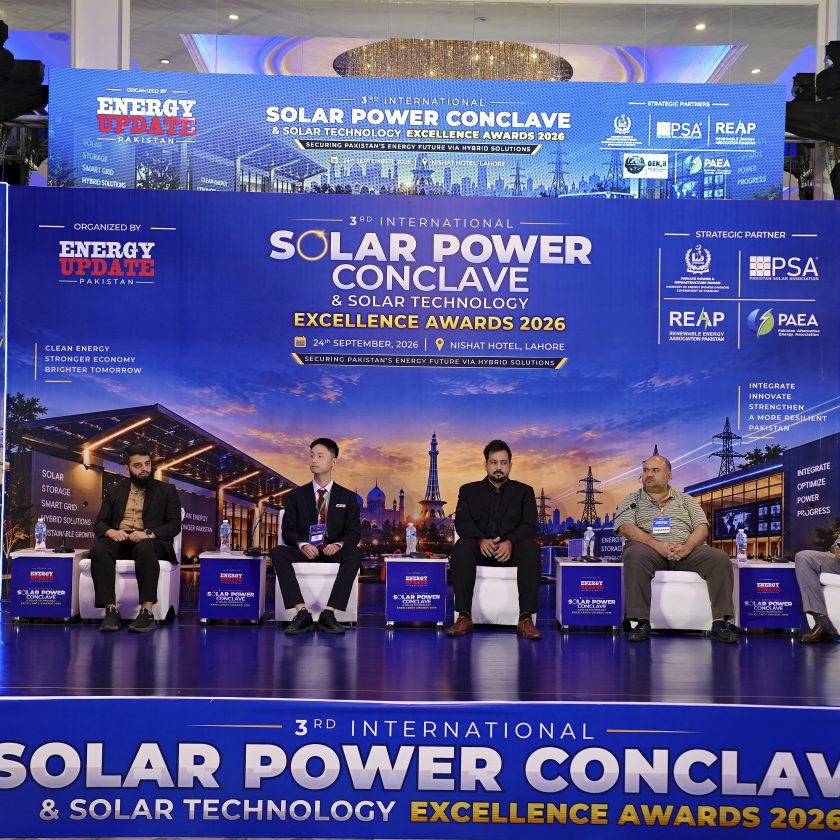
The first panel discussion at the conclave examined energy storage and Pakistan’s evolving renewable-energy landscape. It featured Dr Naveed Arshad, Director Energy Institute LUMS; Altaf Hussain, Managing Director National Grid Company; Zohaib-ul-Haq of Growatt Pakistan; and Mian Fahad of TBEA Central and South Asia.
The panellists said Pakistan had become a rare member of the 25 per cent Solar Club, with much of the growth occurring organically rather than through comprehensive government planning.
Dr Naveed Arshad described battery storage as “a new AI for the energy sector” and said Pakistan’s energy transition by 2035 would move into five areas: distributed storage; microgrids and vertical power plants; AI and data analytics; energy efficiency and conservation; and circularity.
This suggests that Pakistan’s renewable-energy transformation is no longer simply about installing photovoltaic panels. Storage, smart energy management and decentralised electricity systems are likely to become increasingly important.
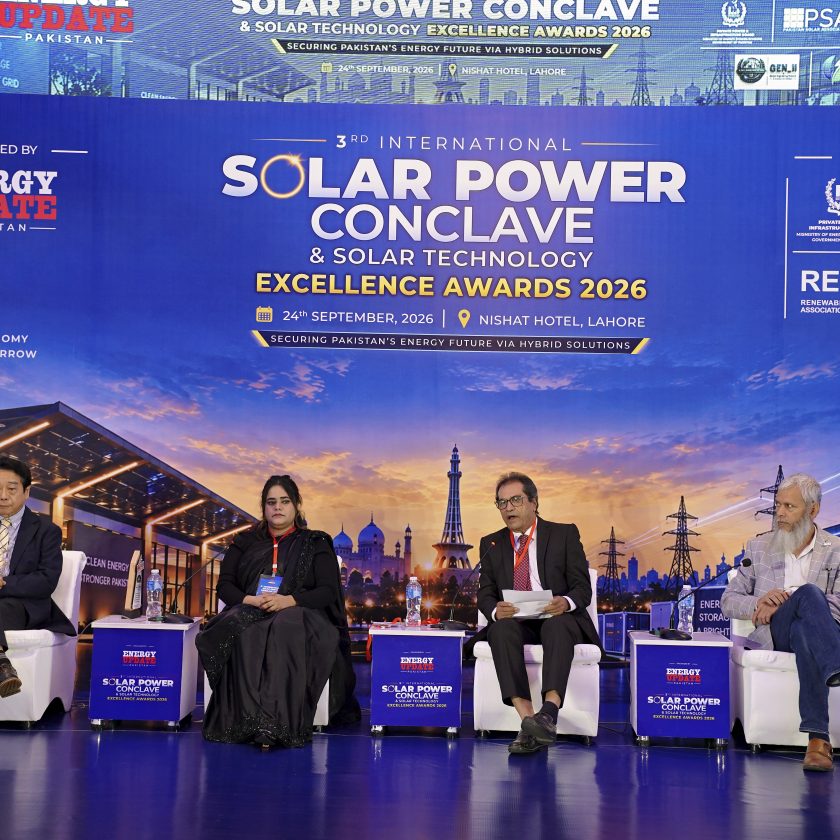
A second panel, moderated by Dr Jawaria Shakeel, Director Sustainability at Assure International, examined investment opportunities in photovoltaic systems and solar batteries. The discussion included Hussain Diwan of Diwan International, Joseph Chu of C&I Energy Storage Pakistan, Muhammad Farhan of Power Highway, Hasnat Khan of PSA and Maroof Ahmad Zubairi of AESL.
Dr Jawaria advised investors and industry stakeholders to carefully assess the timing of a switch to solar while considering available capacity.
Muhammad Farhan cited Bangladesh as an example, saying domestic consumers with installed capacities of 5-10 kW could potentially sell surplus electricity to neighbours. He also stressed that solar equipment should be insured.