
Karachi’s power utility must diversify its energy sources, maximise imports from the national grid and ensure that fuel shortages do not translate into prolonged load-shedding for paying consumers.
Karachi’s residents cannot be expected to endure prolonged power outages every time supplies of re-gasified liquefied natural gas (RLNG) are disrupted. For millions of consumers who pay their electricity bills regularly, K-Electric’s continued reliance on load-shedding during fuel shortages raises serious questions about contingency planning, service reliability and consumer accountability.
The latest disruption in RLNG supplies followed a force majeure declaration by QatarEnergy, prompting Pakistan LNG Limited (PLL) to declare force majeure in March 2026. The latest curtailment began on October 9 after a Qatari cargo became unavailable. An LNG cargo berthed on October 13, ending the four-day disruption and raising hopes of improved supplies.
While fuel shortages may be beyond KE’s direct control, their impact on consumers should be minimised through effective planning and alternative supply arrangements. Karachi’s residents should not have to bear the consequences of disruptions over which they have no control, particularly when the utility has access to other sources of electricity.
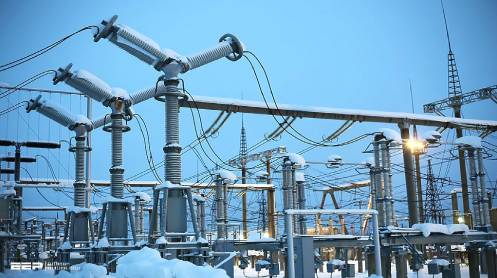
KE’s own published figures indicate that its installed generation capacity stands at 2,182 megawatts, while another 2,283MW is available through external sources, including 2,000MW from the national grid. The National Electric Power Regulatory Authority’s (NEPRA) FY2025 report also shows that 57 per cent of KE’s net electricity dispatch came from the national grid, compared with 36 per cent from its own generation and seven per cent from private suppliers.
These figures underline the importance of grid electricity in meeting Karachi’s power requirements. KE must work closely with the National Transmission and Despatch Company (NTDC) and other relevant authorities to maximise available imports, resolve transmission constraints and secure alternative supplies whenever RLNG availability declines.
KE has indicated that drawing 2,000MW from the national grid is possible following system upgrades. If this capacity depends on further infrastructure improvements, the utility and the relevant federal authorities should clarify the outstanding requirements, the progress made and the timeline for achieving the targeted supply. Consumers need assurance that alternative electricity sources will be available when conventional fuel supplies are disrupted.
The utility has also invested substantially in its generation infrastructure. Its power plants include the 573MW Bin Qasim Power Station-II, the 248MW Korangi Combined Cycle Power Plant and the 942MW Bin Qasim Power Station-III, which relies primarily on RLNG. KE also reports total investment exceeding $4 billion across generation, transmission and distribution.
Such investments should be assessed not only in terms of installed capacity and expenditure but also by the reliability of electricity delivered to consumers. Ultimately, a power utility’s performance must be measured by its ability to maintain a dependable supply to homes and businesses, especially during periods of fuel shortages and heightened demand.
KE must urgently strengthen its contingency planning, diversify its energy mix, improve grid connectivity and explore all technically and commercially viable alternatives. Greater transparency is equally essential. Consumers deserve clear information about fuel availability, generation shortfalls, load-shedding schedules and the reasons for outages, along with effective mechanisms to challenge excessive billing and poor service.
The distribution of load-shedding also requires greater scrutiny. Areas with high bill-payment compliance and minimal electricity theft should not automatically face prolonged outages because of the utility’s operational difficulties. KE should publish credible, area-wise schedules and explain the technical criteria used to determine the duration and frequency of power cuts.
Complaints raised by elected representatives and residents of affected neighbourhoods also warrant serious attention. Constructive engagement, timely investigations and practical measures to reduce outage durations would help restore public confidence and prevent frustration from escalating.
The consequences of prolonged power outages extend beyond inconvenience and financial losses. During hot weather, extended interruptions can disrupt businesses, affect essential services and intensify public anger, potentially leading to protests and confrontations. Timely communication, responsible service delivery and credible remedial action are therefore essential to maintaining public confidence.
Karachi’s consumers pay their bills in expectation of a reliable electricity supply, not recurring explanations for its absence. Although RLNG disruptions may be outside KE’s control, contingency planning, supply diversification, transparent billing and accountable service delivery remain within the utility’s responsibility.
Karachi must not be left in the dark whenever one fuel supply route falters. KE must demonstrate that it can manage foreseeable supply disruptions, make effective use of available alternatives and protect consumers from avoidable outages. Its commitment to the people of Karachi must be demonstrated through reliable service, transparent decisions and measurable improvements in electricity supply.