
ISLAMABAD: The Privatisation Commission has proposed a major restructuring of Pakistan’s power distribution sector, recommending the separation of electricity distribution networks from competitive supply businesses to improve efficiency, attract private investment and create opportunities for reducing electricity tariffs.
Thank you for reading this post, don't forget to subscribe!According to the commission’s policy paper, Post-Privatisation Regime for Power Distribution Companies, the proposed framework would divide the electricity value chain into four functions: Distribution Network Operators (DNOs), Competitive Suppliers (CSs), Supplier of Last Resort (SoLR) and ring-fenced ancillary businesses.
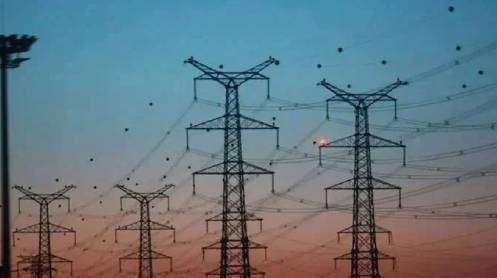
Under the proposed model, DNOs would own, operate and maintain distribution networks under the regulatory oversight of the National Electric Power Regulatory Authority (NEPRA), while licensed competitive suppliers would manage electricity procurement, billing, collections and customer services.
A key feature of the proposal is the transfer of legacy generation contracts and associated capacity-payment obligations from the Central Power Purchasing Agency-Guarantee (CPPA-G) to private-sector competitive suppliers, alongside corresponding customer portfolios. Existing power purchase agreements would continue to be honoured during the transition.
The commission has proposed shifting from an asset-based regulatory model towards performance-based regulation, linking utility returns and penalties to improvements in service reliability, operational efficiency, billing accuracy, complaint resolution and timely electricity connections.
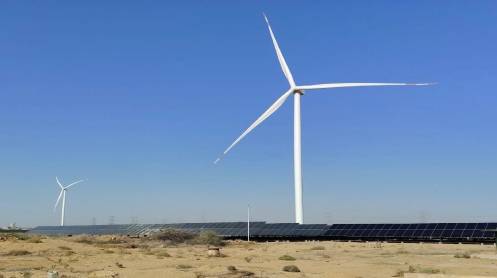
The reforms also seek to address the power sector’s persistent challenges, including circular debt, high electricity tariffs, declining grid demand and substantial capacity-payment obligations. The growing adoption of rooftop solar and other self-generation systems has further reduced grid consumption, increasing the burden of fixed costs on remaining consumers.
To improve competition, distribution network operators would be required to provide licensed suppliers with fair and non-discriminatory access to networks, metering data and essential services. A designated Supplier of Last Resort would ensure continuity of electricity supply where competitive suppliers fail or exit the market.
The commission has emphasised that privatisation alone would not resolve the sector’s structural problems. It has called for regulatory certainty, transparent tariff-setting, stronger NEPRA governance and a phased transition towards a competitive electricity market.
The proposed reforms are intended to create a financially sustainable power sector, improve consumer services and establish a more attractive investment environment. Their implementation would depend on regulatory preparedness, appropriate allocation of contractual obligations and validation of key technical and financial parameters.
Story by Mushtaq Ghumman