
LAHORE: The FPCCI Businessmen Panel (BMP) has called for comprehensive reforms in Pakistan’s energy sector, warning that the country is spending approximately Rs3.5 trillion annually on avoidable energy imports, putting pressure on foreign exchange reserves and increasing electricity costs for businesses and consumers.
Thank you for reading this post, don't forget to subscribe!BMP Chairman and former FPCCI President Mian Anjum Nisar said Pakistan could no longer afford excessive dependence on imported fuels and equipment when substantial opportunities existed to conserve energy, utilise available power generation capacity and strengthen domestic manufacturing.
He observed that the country’s energy crisis was not merely the result of resource shortages but also stemmed from inadequate planning, inconsistent policies and insufficient development of indigenous industrial capabilities.
He pointed out that the widening gap between installed power generation capacity and relatively stagnant electricity demand had increased capacity payment obligations, while expensive LNG imports continued to place an additional burden on the national economy.
Anjum Nisar emphasised the need to enforce energy conservation building codes across the country, promote energy-efficient cooling systems and improve building insulation to reduce electricity consumption, particularly during peak demand hours.
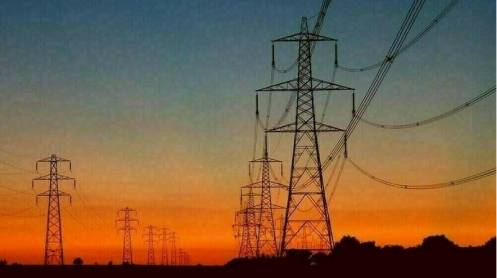
He also called for expediting the Power Sector Indigenisation Plan to revive domestic manufacturing of transmission and distribution equipment, including conductors, switches and other electrical components.
He stressed that local manufacturers needed consistent government policies, affordable financing, access to technology and long-term orders to enhance domestic production capabilities and reduce reliance on imported equipment.
Calling for greater investment in hydropower, solar and wind energy, the BMP chairman said Pakistan needed a least-cost energy strategy focused on indigenous resources, energy efficiency and import substitution.
He said such measures were essential to strengthening industrial competitiveness, improving export performance, reducing external sector pressures and ensuring long-term economic stability.