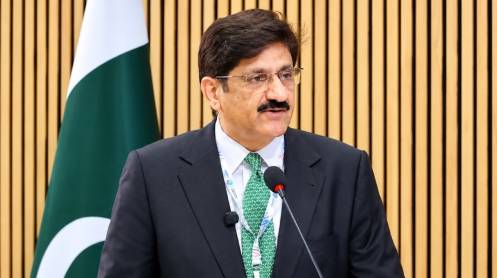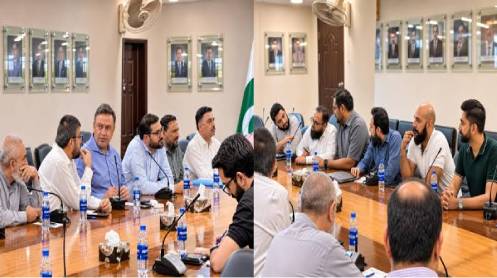

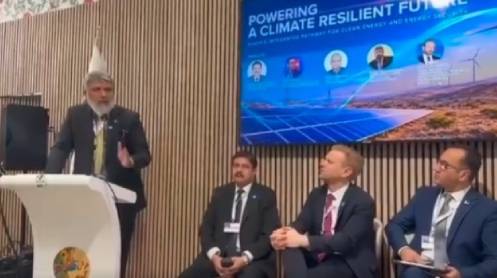
KARACHI, November 17: Sindh Secretary of Environment, Climate Change and Coastal Development Faisal Ahmed Aqeel represented the province at the ongoing 31st Conference of the Parties (COP31) to the United Nations Framework Convention on Climate Change (UNFCCC) in Türkiye, chairing several sessions focusing on the Delta Blue Carbon Project, conversion of traditional brick kilns to environmentally friendly Zigzag technology, and the future of sustainable energy in Sindh.
Thank you for reading this post, don't forget to subscribe!During the sessions, Faisal Ahmed Aqeel highlighted the provincial government’s initiatives to address climate change, reduce air pollution, promote carbon markets and attract international investment in sustainable development projects.
Speaking about the modernisation of brick kilns, he said that approximately 600 traditional brick kilns in Sindh were contributing to air pollution and affecting between 100,000 and 160,000 people living in surrounding areas.
He said the Sindh government had made it mandatory under the new 2025 regulations for brick kilns to adopt Zigzag or other environmentally friendly technologies. With the support of CRS and ICIMOD, four brick kilns have already been converted to modern technology.
The initiative has resulted in a 53 per cent reduction in air pollution, a 24 per cent decrease in fuel consumption and a 36 per cent reduction in carbon monoxide emissions. It has also improved brick strength by 87 per cent.
Aqeel emphasised that the government’s objective was not to shut down brick kilns but to make them environmentally sustainable, ensuring the protection of workers’ livelihoods while providing cleaner air to surrounding communities.
Discussing the Delta Blue Carbon Project and opportunities in carbon markets, he said the Sindh government had established a dedicated unit within the Environment Department to promote carbon market development and attract international investment.
The specialised unit is working to develop, approve and monitor carbon projects across forestry, agriculture, livestock, energy and waste management sectors, building on the experience and achievements of the Delta Blue Carbon initiative. It is also facilitating coordination among private investors, international organisations and government departments to ensure transparency and effective implementation.
Several initiatives are under consideration, including the restoration of riverine forests, biogas production, utilisation of livestock waste, methane recovery from the Jam Chakro landfill site and wastewater, as well as the conversion of brick kilns to environmentally friendly technologies.
Highlighting Sindh’s broader climate and energy priorities, the secretary said sustainable environmental protection and energy initiatives were essential to addressing the growing impacts of climate change.
He revealed that 13 carbon market projects and six priority climate projects had been identified in Sindh to attract international investment and climate finance. The government is working to establish transparent mechanisms, ensure reliable data and strengthen monitoring of environmental outcomes to maintain investor confidence and secure genuine benefits from carbon credits.
He further informed participants that the Sindh Environmental Protection Agency (SEPA) had introduced a digital monitoring system to strengthen environmental oversight of industrial, mining and energy projects.
The Sindh government is also pursuing measures to reduce carbon emissions and address climate-related risks, including floods and droughts.
Sessions held at the Pakistan Pavilion emphasised the importance of international financial institutions and development partners supporting Sindh’s transition towards clean energy, improved electricity transmission infrastructure, advanced technologies and stronger climate resilience.
Faisal Ahmed Aqeel invited international development and financial institutions, as well as global investors, to explore investment opportunities in Sindh’s Delta Blue Carbon initiative, environmentally friendly brick kiln technologies and sustainable energy projects.
Participants and speakers appreciated the Sindh government’s efforts to promote environmental sustainability, reduce emissions and advance climate-resilient development.