ISLAMABAD: Pakistan’s solar panel import business has allegedly been used to launder up to Rs60 billion, while commercial banks have been accused of facilitating suspicious financial transactions through weak monitoring and compromised compliance systems, the Senate Standing Committee on Cabinet Secretariat was told on Wednesday.
Thank you for reading this post, don't forget to subscribe!The startling revelations were made by National Anti-Money Laundering and Counter-Terrorism Authority (NAML&CTA) Chairman Mushtaq Sukhera during a committee meeting chaired by Senator Rana Mahmoodul Hassan at the Parliament House.
Sukhera alleged that commercial banks had become “conveyor belts” for money laundering, with certain bank managers allegedly facilitating suspicious transactions. Citing a shocking example, he revealed that Rs12 billion had been found in the bank account of a bulldozer driver, raising serious questions about the effectiveness of the banking sector’s monitoring and Know Your Customer (KYC) mechanisms.
He further stated that any transaction involving the withdrawal of an entire account balance in a single operation must be reported to the relevant authority.
Rs60 Billion Laundered Through Solar Imports
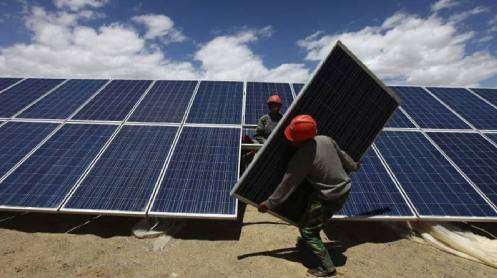
One of the most alarming disclosures concerned the alleged laundering of up to Rs60 billion through solar panel imports. The revelation raises serious concerns about the potential misuse of Pakistan’s rapidly expanding solar market for financial crimes and illicit capital transfers.
The committee chairman expressed grave concern over the failure of banks to properly verify customers’ financial backgrounds, income sources and transaction patterns, questioning how such massive sums could move through the banking system without triggering alerts.
The panel also discussed the Kohistan scandal, noting that funds involved in the case had been routed through local banks. It criticised banking staff for failing to adequately warn customers about cyber scams and financial fraud.
SIM Cards, Mobile Wallets Under Scrutiny
The misuse of SIM cards to open and operate bank accounts also came under discussion. The committee noted that scrutiny of mobile wallet transactions had been tightened and directed the Pakistan Telecommunication Authority (PTA) to strictly regulate SIM issuance and ensure biometric verification.
The senators sought clarification on how bank employees would be held accountable for deliberately ignoring KYC requirements. NAML&CTA was directed to submit comprehensive details of anti-money laundering and anti-fraud reforms at the next meeting.
The committee also decided to summon the State Bank of Pakistan (SBP) governor and indicated that the matter could be taken up jointly with the Senate Finance Committee.
Pakistan Implements 127 FATF Action Items
Briefing the committee on international financial compliance, Sukhera said Pakistan had implemented 127 out of 131 Financial Action Task Force (FATF) action items since exiting the grey list in 2022.
He disclosed that only 38 of the 66 sanctioned positions at NAML&CTA had been filled, highlighting staffing shortages at the authority responsible for combating money laundering and terrorist financing.
Identifying the cash-based economy as a major driver of illicit financial activity, he said a policy paper proposing measures to promote a digital economy had been submitted to the government.
Senator Dilawar Khan, however, cautioned authorities against adopting an aggressive approach that could harass legitimate taxpayers. He pointed out that money-laundering notices were also being issued to individuals and businesses already registered with the Federal Board of Revenue (FBR).
Senator Abdul Qadir also criticised corruption within the tax machinery, referring to a recent dispute over the distribution of alleged bribe money at the Regional Tax Office (RTO) in Lahore.
95 Civil Servants Admit Dual Nationality
The meeting also exposed concerns over dual nationality among government officials. Sukhera informed the committee that a policy paper had been forwarded to the government proposing legislation to prevent civil servants from holding foreign citizenship.
He argued that dual-national officers could transfer illicit wealth abroad more easily and called for a clear legal framework governing their status.
Senator Rana Mahmoodul Hassan disclosed that 95 civil servants had so far admitted to holding dual nationality. He also called for scrutiny of officials obtaining foreign permanent residency or citizenship through investment programmes.
Cabinet Secretary Kamran Ali Afzal agreed on the need for comprehensive legislation but emphasised that the law should clearly address possible exceptions, including citizenship acquired by birth.
He noted that the Establishment Division had previously introduced rules requiring civil servants to obtain prior government permission before applying for foreign nationality. Senator Abdul Qadir supported the introduction of strict legislation to resolve the issue permanently.
Balochistan May Get Bigger Share of Federal Jobs
The committee also discussed the underrepresentation of Balochistan in federal services, with Senator Abdul Qadir proposing a special five-to-ten-year employment package to increase the province’s representation in the Police Service, Customs and other federal departments.
Establishment Secretary Barrister Nabeel Ahmad Awan informed the panel that adjustments to the existing provincial quota were under consideration, including the possibility of reallocating one percentage point each from Khyber Pakhtunkhwa and Sindh to Balochistan.
He said consultations were underway with the relevant minister and the Prime Minister’s Office.
However, the secretary pointed out that Balochistan’s existing quota in the Central Superior Services (CSS) examination remained underutilised because of a shortage of candidates meeting the qualifying criteria.
He also briefed the committee on a special initiative involving 12,000 jobs for Balochistan. Of these, 5,500 positions have been earmarked for southern districts, with federal recruitment underway. The remaining positions are being facilitated through oil, gas and provincial companies, which have been directed to prioritise local candidates.
KP Police Transfers Trigger Concern
Separately, Senator Dilawar Khan raised concerns over administrative and security challenges in Khyber Pakhtunkhwa, particularly the shortage of senior police officers at the Deputy Inspector General (DIG) level.
He questioned the recent transfers of three police officers from Swabi, Charsadda and Haripur and urged the authorities to reconsider the decisions in light of local security conditions and ground realities.
He also called for a review of the Hard Area Policy.
BMW and Mercedes Ordered for SCO Summit
In another significant discussion, the committee reviewed procurement arrangements for bulletproof vehicles ahead of next year’s Shanghai Cooperation Organisation (SCO) summit.
When Senator Rana Mahmoodul Hassan pointed out that Pakistani companies were capable of manufacturing armoured vehicles, Cabinet Secretary Kamran Ali Afzal dismissed the proposal to use locally manufactured vehicles for such a high-profile international event.
“God forbid, if anything happens, it will bring immense disgrace to the country,” he said, confirming that bulletproof BMW and Mercedes vehicles had been ordered through a confidential state institution.
The committee directed the relevant departments to submit updated progress reports on provincial job quotas, police transfers in KP, banking KYC compliance and proposed dual-nationality legislation at its next meeting. The agenda item concerning the Public Procurement Regulatory Authority (PPRA) was deferred.
Story by Asim Yasin