Oil and Gas Development Company Rs100.8 billion Pakistan Petroleum Company Limited Rs49.4 billions National Bank or Pakistan Rs30.6 billion Government Holding Private Limited Rs29.8 billion National Power Parks Management Rs28 billion Port Qasim Authority Rs15.4 billion National Transmission and Dispatch Company Rs9.3 billion Pak Kuwait Investment Company Private Limited Rs6.3 billion Faisalabad Electric Supply Company Rs6.08 billion Pakistan Agricultural Storage and Services Corporation LimitedRs6.02 billion Top 10 Loss-making Institutions Quetta Electric Supply Company Rs108.5 billion National Highways Authority Rs94.3 billion Pakistan Railways Rs50.2 billion Sukkur Electric Power Company Rs40.8 billion…
Read MoreCategory: Blog
Pakistan’s Inflationary Puzzle: Connecting Petrol Prices to Power Bills
Unraveling the link between petrol prices and electricity bills in Pakistan’s inflation scenario. Insights into impacts and solutions.
Read MoreThe Pipeline of Power, Prosperity and Possibilities — Geopolitical and Diplomatic Blockades
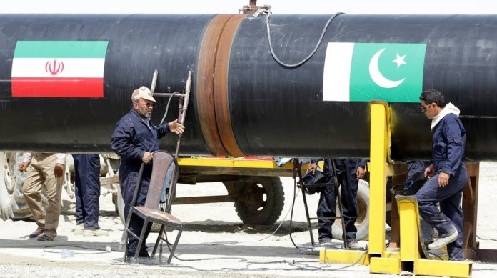
In a world where energy security stands as a linchpin of progress and prosperity, Pakistan’s decision to halt the ambitious Iran-Pakistan Gas Pipeline Project has ignited a discourse that intertwines economic aspirations, diplomatic maneuvers, and strategic intricacies. The complexities inherent in this choice reverberate beyond mere energy dynamics, encompassing a plethora of benefits and challenges that must be meticulously weighed. As the globe treads the precipice of an energy crisis, Pakistan’s stance on this critical juncture echoes far beyond its borders, reaching into the very heart of Pakistan’s global standing.…
Read MoreThe Impact of Rupee Devaluation on Pakistan’s Energy Sector
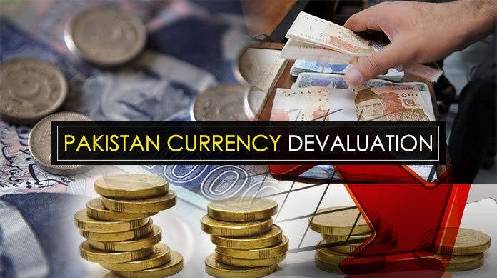
By Mustafa tahir Introduction:Pakistan, like many developing nations, heavily relies on its energy sector to fuel economic growth and meet the demands of its rapidly growing population. However, the country has faced numerous challenges in maintaining a stable economy, one of which is the fluctuation of its national currency, the Pakistani Rupee (PKR). This blog will delve into the consequences of rupee devaluation on Pakistan’s energy sector and explore the various implications it has on the nation’s energy landscape. Increased Cost of Energy Imports:Rupee devaluation results in a weakened currency,…
Read MoreOvercoming Supply Chain Challenges for Solar Energy Products in Pakistan By Nisar A Latif Chairman Renewable Energy Association Pakistan
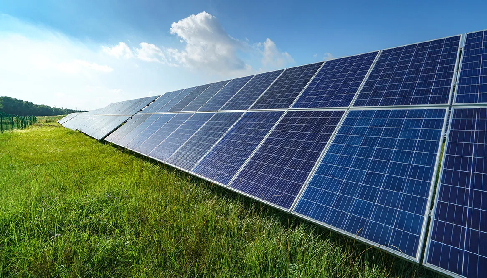
Introduction:The rapid growth of renewable energy, particularly solar power, holds great promise for Pakistan’s energy landscape. However, the solar energy sector in the country faces certain supply chain challenges that hinder its potential. This article aims to shed light on these issues and propose potential solutions to overcome them. Supply Chain Challenges: Solutions: Conclusion:Addressing supply chain challenges is pivotal to realizing the full potential of solar energy in Pakistan. By promoting local manufacturing, ensuring quality control, investing in research and development, and streamlining import procedures, the country can create a…
Read More