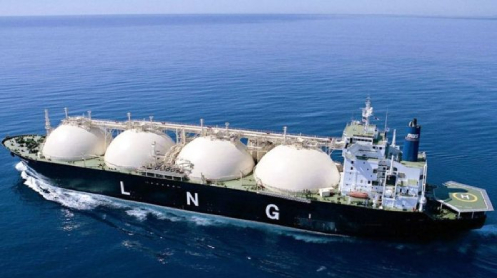
SUGGESTIONS FOR LNG SECTOR REFORMS


Pakistan faces several energy issues that have been hindering its economic growth and development. Some of the key challenges are:
Read More
It is difficult to predict the exact state of Pakistan’s economy in 2030, as economic growth is influenced by various factors, including political stability, social and economic policies, global economic trends, and technological advancements. However, based on current trends and projections, here are some possible scenarios for Pakistan’s economy in 2030. Economic Growth: Pakistan’s economy is projected to continue to grow steadily, with a projected GDP growth rate of around 5% to 6% per year. This growth is driven by increased investment, higher productivity, and expanding industries, such as agriculture,…
Read More
Green hydrogen is a rapidly emerging energy source that has been garnering a lot of attention in recent years.
Read More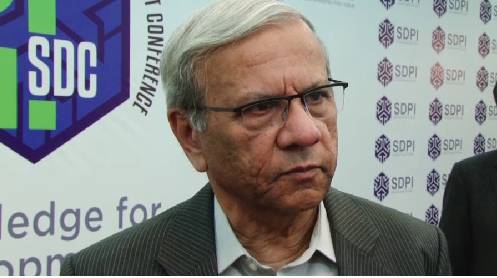
Renowned economist, Dr Kaiser Bengali, has decried the decision of the government to ensure the supply of natural gas to the fertilizer sector at a much-reduced price when domestic consumers and other industries in the country have been facing a grave energy crisis.
Read More


