U.S. Shale Drilling Unlikely To Rebound In 2020

U.S. horizontal drilling activity in oil basins, which has plummeted due to the Covid-19 pandemic, is not likely to materially recover this year, a new Rystad Energy analysis shows. Drilling permits, which are increasingly reliable indicators of future activity levels, dipped to a 10-year monthly low this July, with only 454 awards. July’s drilling permits number is the lowest since September 2010, when horizontal permits in oil basins amounted to 438. But unlike the current situation, activity then was on the increase, while the current downturn is still under way. Comparing to…

Read More

Eastern Libya Sees Power Outages As A Result Of Oil Blockade

The closure of oil ports in the Gulf of Sirte is the main reason for the power outages in eastern Libya, the National Oil Corporation (NOC) says. “By closing the ports in the Gulf of Sirte, the condensate reservoirs at the export ports will be filled within days, and thus the production of the gas associated with the condensate, which feeds Zueitina power stations and north of Benghazi, will come to a halt,” NOC chairman Mustafa Sanalla said, as carried by The Libya Observer. A few days ago, Sanalla warned…

Read More

Electricity ‘beamed’ to homes could do away with wire transmission cables

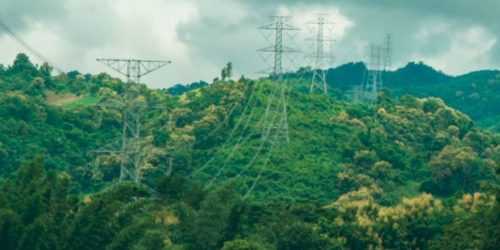
A Kiwi technology start-up hopes its long-range wireless power transmission system will herald a brighter, cleaner future. Emrod has developed a system which converts electricity into electro-magnetic waves that can be sent wirelessly to receivers to be converted back into electricity for use in homes and businesses. In the long-term, founder Greg Kushnir believes the technology could reduce humanity’s dependence on oil by making electric air travel and shipping possible. In the shorter-term, it’s being earmarked to deliver power to remote New Zealand homes and island communities, and to provide…

Read More

Pakistan pushes renewables – but coal expansion continues too

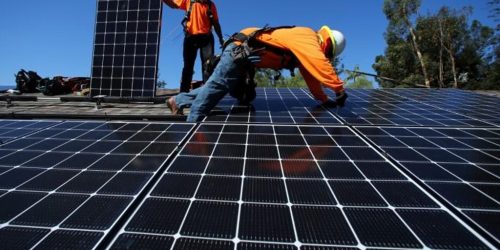
ISLAMABAD (Thomson Reuters Foundation) – Pakistan this week set in motion a plan to boost the share of its electric power that comes from renewables to 30% by 2030, up from about 4% today, government officials said. “The targets in the newly announced policy are a 20% share of renewables in installed capacity of Pakistan’s power mix by 2025 and 30% by 2030,” said Syed Aqeel Hussain Jafry, policy director for the government’s Alternative Energy Development Board. That will include mainly wind and solar power, but also geothermal, tidal, wave…

Read More

New Renewable Policy promises One Window Facility for Investors

Finally Renewable Energy Policy 2019 (now it may be called as Renewable Policy 2020) has been finally approved by Council of Common Interest (CCI) of Pakistan after a long debate amongst stake holders including provinces. I can say with confidence that this time consultation was much at larger stage than before and policy almost satisfies the stake holders interests. Policy will be better and better if it is renewed and continuous basis. The policy has major features as under, 1. Policy has set very ambitious target of 20% by 2025…

Read More