

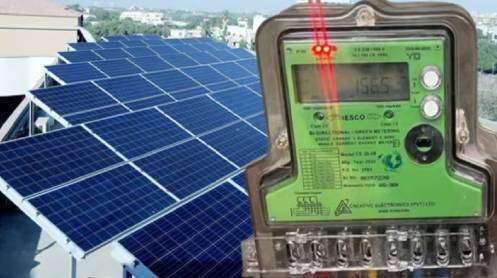
KARACHI: Pakistan’s transition toward solar energy gained further momentum as net metering’s share in total power generation rose by 57 basis points year-on-year in September 2025, according to data compiled by Arif Habib Limited (AHL) based on NEPRA’s latest statistics.
Overall power generation in September 2025 increased by 0.8% YoY, while net metering units jumped 28.1% month-on-month, reflecting strong consumer interest in distributed solar systems among both households and industries. NEPRA projects overall power demand to grow 2.8% in FY25, mainly due to seasonal industrial activity and urban expansion. However, persistently high tariffs continue to suppress broader consumption.
Energy experts note that the surge in net metering reflects both economic necessity and environmental awareness. According to Engineer Faiz Bhutta, Senior Consultant on Solar and Battery Energy Storage Systems, “Electricity has become so expensive that people are compelled to think of alternatives. From an environmental point of view, this is positive — but for the national grid, it’s financially challenging.”
He explained that as consumers generate their own electricity, grid underutilisation worsens the government’s fiscal burden, since capacity payments to independent power producers (IPPs) remain fixed regardless of actual usage.
Bhutta also pointed out that several distribution companies (DISCOs) have introduced restrictive measures to slow net metering adoption — limiting system capacity to sanctioned load levels, requiring separate transformers for systems above 10 kW, and imposing higher seed money. These bureaucratic barriers are pushing consumers toward off-grid or hybrid systems, some of which can power homes for up to five days.
Meanwhile, the government is reportedly considering a shift from net metering to gross metering, under which separate tariffs would apply for electricity imported from and exported to the grid — replacing the existing one-to-one offset mechanism.
Experts highlight the irony of Pakistan’s power capacity surplus and low utilisation. During winters, installed capacity stands around 37,000 MW, but actual demand falls to nearly 8,000 MW, forcing the state to make hefty capacity payments.
Analysts argue that rather than discouraging solar adoption, the government should revitalise industrial growth, which would increase power consumption, boost exports, and strengthen foreign exchange reserves. Tariff reforms — such as introducing four consumption zones instead of two — could also incentivise higher usage during off-peak and winter months.
Despite regulatory uncertainty, rising consumer-led solar adoption and expanding net metering show that Pakistan’s clean energy transition is advancing faster than policy reforms. With circular debt surpassing Rs1.2 trillion and imported fuel costs climbing, experts believe distributed solar generation could become a cornerstone of Pakistan’s energy stability — if backed by a pragmatic, forward-looking policy framework.
Story by Usman Hanif





