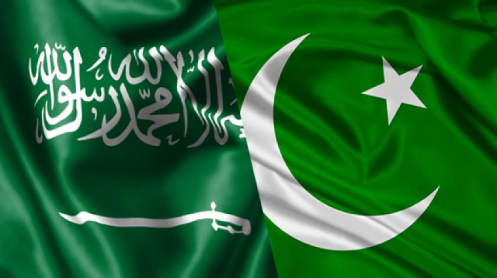
KARACHI: Saudi Arabia has extended the maturity of its $3 billion deposit held with the State Bank of Pakistan (SBP) for another year, offering continued financial support as the country navigates persistent liquidity pressures. The facility—channeled through the Saudi Fund for Development (SFD)—was first placed in 2021 and has since been rolled over multiple times to reinforce Pakistan’s macroeconomic stability. The deposit, previously set to mature on December 8, 2025, will now remain with the SBP until December 2026.
Officials say the extension reflects Riyadh’s sustained commitment to bolstering Pakistan’s foreign exchange reserves and meeting key International Monetary Fund (IMF) conditions. “This will help strengthen the foreign exchange reserves of Pakistan and contribute to the country’s economic growth and development,” the SBP stated.
As of November 28, 2025, Pakistan’s liquid foreign reserves stood at $19.59 billion—$14.57 billion with the central bank and $5.01 billion held by commercial banks. Although reserves rose modestly during the week, they have hovered near the same level for months.
Speaking at Pakistan Women Entrepreneurship Day 2025 in Karachi, SBP Governor Jameel Ahmad highlighted a decline in the external debt-to-GDP ratio from 31% to 26%, marking the first meaningful improvement in years. He noted that Pakistan had not added to its external debt stock since 2022, projecting remittances to exceed $40 billion this fiscal year and forecasting a current account deficit between 0% and 1% of GDP.
Market analysts, including JS Global’s Waqas Ghani Kukaswadia, described the rollover as expected, noting Pakistan must refinance or roll over nearly $16 billion this fiscal year—similar to last year. He said ongoing support from Saudi Arabia, China and multilateral institutions is already factored into SBP projections, with continuity under the IMF programme essential for confidence.
However, despite the positive optics, the extension has reignited debate over Pakistan’s structural vulnerabilities. Critics argue the country remains dependent on Gulf deposits to avoid crises, delaying long-overdue fiscal, export and governance reforms. Some analysts view Saudi financial support as a strategic investment, potentially linked to future geopolitical expectations.
Economist and Khyber-Pakhtunkhwa government adviser Muzammil Aslam was sharply critical of the celebratory tone, stressing that the rollover highlights economic weakness rather than strength. He noted that Pakistan pays interest on these deposits—previously around 4% and now likely closer to 6%—and has been unable to repay any Gulf deposits in four years, which he estimates at $10–12 billion. “We have already spent it. We simply don’t have the money to return,” he said.
While the extension strengthens Pakistan’s immediate reserve buffer and provides time for reforms, it underscores a delicate balance—one reliant on diplomatic goodwill, remittances and IMF oversight rather than sustainable economic drivers. The coming year may prove decisive: whether this breathing space is used to stabilise Pakistan’s economic foundations, or simply delay the next rollover.
Story by Usman Hanif