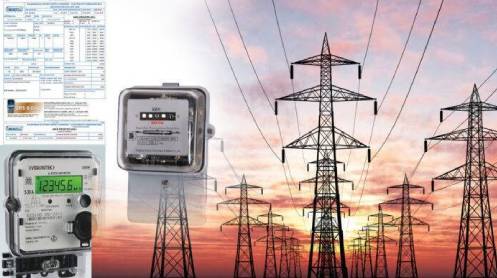
ISLAMABAD: The National Electric Power Regulatory Authority (Nepra) has called for the removal of several heavy cost burdens embedded in consumer electricity tariffs—including high technical losses, industrial taxes and surcharges, and charges linked to partial plant operations—to revive industrial output and restore the competitiveness of Pakistani products.
In a detailed note to the government, issued alongside recent tariff determinations, Nepra’s Member Technical, Rafique A. Shaikh, warned that the persistent underutilisation of thermal power plants is driving up the capacity purchase price (CPP). He stressed the need to assess whether this underutilisation is genuinely driven by low demand, noting that evidence suggests otherwise.
Despite supposed low demand, seven out of 12 Discos are still carrying out more than 12 hours of loadshedding in some areas. Shaikh said such excessive outages punish paying consumers, erode confidence in the national grid, and push users toward alternative energy sources. He added that loss-based loadshedding has failed to achieve its intended results.
Shaikh noted that unreliable service, combined with heavy taxes and surcharges—especially the Debt Servicing Surcharge—has made electricity increasingly unaffordable. As a result, consumers are rapidly shifting to decentralised and off-grid solutions. On-grid solar installations have now exceeded 6,000 MW, while total solar capacity, including off-grid setups, has reached nearly 13,000 MW.
While he termed the rise of solar energy a positive development, he cautioned that it reflects deeper structural weaknesses: high tariffs, poor service quality, and declining trust in the grid.
He also pointed to systemic inefficiencies, including part-load adjustment charges, missed volume payments, high T&D losses, poor recoveries, mounting receivables, transmission constraints, and plant operations violating economic merit order. These issues, he said, fuel a cycle where higher tariffs depress consumption, and lower demand pushes tariffs even higher.
Shaikh noted that these inefficiencies have far-reaching financial, economic, and social impacts, weakening industrial competitiveness and hindering economic growth. Pakistan’s industry, he said, continues to struggle despite a large domestic market, with imported goods often cheaper than locally manufactured products.
Calling for rational tariff restructuring, he urged the removal of cross-subsidisation on industrial consumers, stressing that burdening industries to support other sectors undermines productivity, discourages investment, and contradicts broader national economic goals.
His recommendations form part of his outgoing observations as Nepra seeks reforms to steer the power sector toward sustainability, affordability, and improved consumer trust.
Story by Khaleeq Kiani