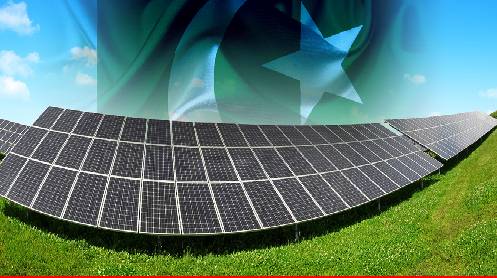
ISLAMABAD: In a bid to align rooftop solar expansion with social welfare, Karachi-based industrialists and financial experts have proposed a not-for-profit mechanism titled the Social Net-Metering Unit Donation Framework (SNUDA), aimed at channeling surplus solar power to poor and deserving electricity consumers.
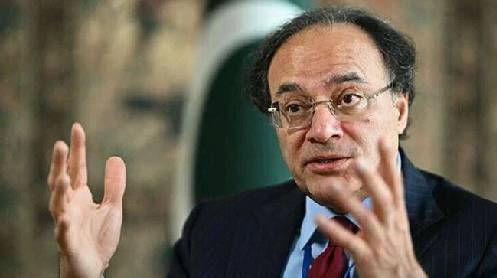
Originally conceptualised by business leader and former Karachi Stock Exchange Managing Director Moin M. Fudda, the proposal is now being formally advanced by the Korangi Association of Trade and Industry (Kati). The framework has been submitted to the National Electric Power Regulatory Authority (Nepra), which is expected to invite public and stakeholder comments.
According to Kati President Muhammad Ikram Rajput, the voluntary and regulator-supervised framework would allow net-metering consumers to donate a portion of their surplus electricity units, in kilowatt-hours, to low-income households registered with not-for-profit organisations (NPOs) certified by the Pakistan Centre for Philanthropy (PCP). The proposal does not seek any change in existing net-metering rights or settlement mechanisms, but offers a social extension to the current system.
Under SNUDA, donated surplus electricity would be credited directly to beneficiaries’ bills as Social Net Metering Units, without monetisation, trading, or commercial sale. The mechanism would be digitally tracked, fully auditable, and transparently reported, with safeguards to prevent misuse.
Kati said the framework could deliver three major system-wide benefits: reduction in the government’s electricity subsidy burden, easing of cross-subsidy pressure on industrial tariffs—currently estimated at Rs3–4 per unit—and improved recoveries with lower system losses by enhancing bill affordability for vulnerable consumers.
The proposal suggests voluntary donations of 10 to 200 units per billing cycle, initially targeting widows and specially challenged low-income households. Safeguards include monthly caps, CNIC-linked verification, prohibition of self-credit, and a regulator-supervised digital platform for monitoring and audit.
Calling it a pilot-worthy and fiscally responsible concept, Kati urged Nepra to consider the framework as a way to convert surplus rooftop solar generation into a social, fiscal, and system-stabilising tool without undermining the existing net-metering regime.
Story by Khaleeq Kiani