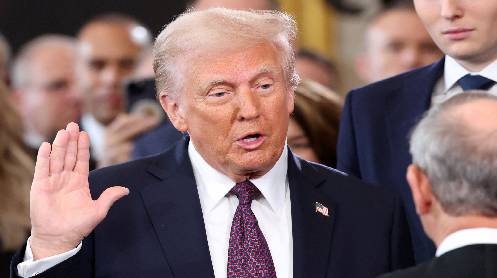
US President Donald Trump has sent a proposed peace plan to Iran, expressing optimism about ending nearly a month-long conflict, as Tehran signalled limited de-escalation by allowing “non-hostile” vessels to transit the strategic Strait of Hormuz.
Speaking at the White House, Trump confirmed that negotiations with Iran were underway, hinting at a positive development linked to the Strait, though he did not disclose details. Shortly afterward, Iran, via the International Maritime Organization, assured safe passage for vessels not deemed hostile—offering relief to global energy markets.
The Strait of Hormuz, which carries roughly one-fifth of the world’s oil supply, had been largely disrupted following US and Israeli strikes, contributing to a sharp spike in global oil prices. Following the latest developments, crude prices fell by nearly 6%, reflecting cautious market optimism.
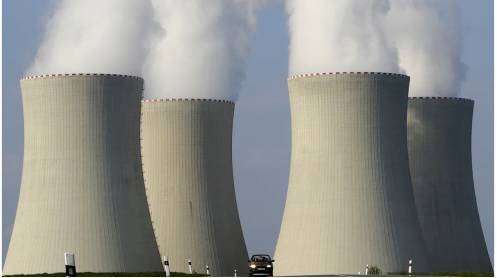
According to reports, the US proposal includes a potential one-month ceasefire, restrictions on Iran’s nuclear programme, and guarantees for maritime security in exchange for sanctions relief and support for civilian nuclear development at facilities such as Bushehr.
Despite diplomatic signals, tensions remain high. Israel continues large-scale airstrikes across Iran, while Tehran’s missile attacks have intensified, reaching key urban centres. Regional instability has also expanded, with clashes involving Hezbollah in Lebanon and continued threats across Gulf states.
Trump indicated that senior officials, including JD Vance, are involved in the diplomatic push, while reports suggest troop deployments to the region are also under consideration.
The conflict, which began on February 28, has severely disrupted global energy flows and heightened geopolitical risks, even as diplomatic efforts—reportedly involving countries like Pakistan—continue behind the scenes.
While the opening of the Strait marks a tentative step toward de-escalation, analysts caution that the situation remains volatile, with both diplomacy and military action unfolding simultaneously.
By AFP