ISLAMABAD: The European Investment Bank through its development arm EIB Global has pledged €160 million to support post-flood reconstruction in Sindh and enhance water infrastructure in Karachi, marking its return to Pakistan after a decade.
The announcement was made at the EU-Pakistan Business Forum, where two major financing agreements were signed with the Government of Pakistan.
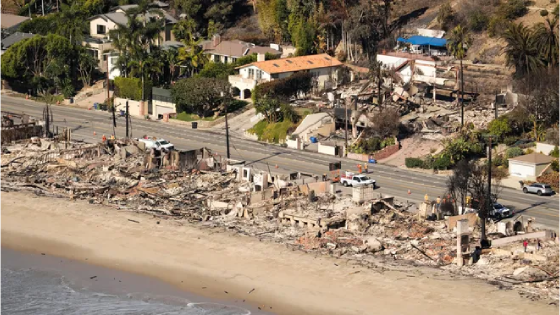
Out of the total commitment, €100 million will fund Sindh’s housing reconstruction programme—currently the world’s largest post-disaster rebuilding initiative—aimed at restoring around 2.1 million homes damaged during the 2022 floods. The nearly $2 billion project is expected to cover about 40% of rural households in Sindh, with a focus on resilient and community-driven rebuilding.
An additional €60 million loan has been allocated to the Karachi Water and Sewerage Corporation to develop two energy-efficient water filtration plants in Gharo and Pipri. The project will supply approximately 300 million litres of clean drinking water daily, benefiting nearly 2.2 million residents of Karachi.
The financing aligns with the European Union’s Global Gateway strategy, which aims to mobilize €400 billion in investments globally between 2021 and 2027.
EIB Vice-President Nicola Beer stated that the initiative will strengthen climate resilience, improve access to safe water, and support inclusive development for vulnerable communities. Meanwhile, European Commissioner Jozef Síkela emphasized that the partnership reflects a shared commitment to sustainable infrastructure and improved living standards.
EU Ambassador to Pakistan Raimundas Karoblis termed the re-engagement of the EIB as a significant step, expressing confidence in increased future investments under the EU framework.
The Sindh housing programme is also supported by global institutions including the World Bank, Asian Development Bank, and Islamic Development Bank, alongside the provincial government. The reconstruction model ensures active community participation and incorporates resilience standards to mitigate future climate-related risks.
Story by Mubarak Zeb Khan