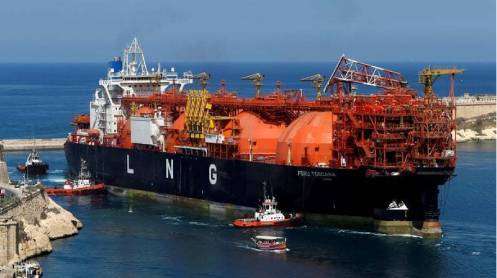
ISLAMABAD: Pakistan is intensifying diplomatic and operational efforts to ensure the safe transit of two liquefied natural gas (LNG) cargoes from Qatar through the strategically sensitive Strait of Hormuz, amid ongoing regional tensions.
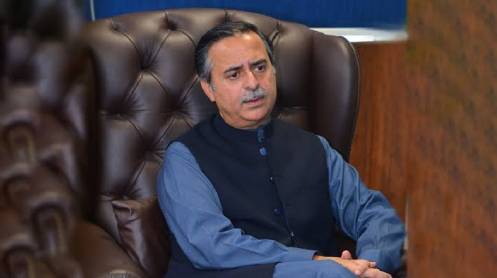
According to officials in the Energy Ministry, the LNG-laden vessels are currently positioned near the mouth of the strait, awaiting clearance as Pakistani authorities coordinate closely with Iranian counterparts. Federal Minister for Petroleum Ali Pervaiz Malik has already held discussions with Iran’s ambassador in Islamabad, followed by high-level engagements with Iranian leadership to facilitate safe passage.
The urgency stems from tightening supply conditions. Existing LNG stocks, including a recent shipment carried by the Seapeak Magellan, are expected to meet demand only through the first 10 days of May. The cargo, arranged by TotalEnergies, is currently docked at the Pakistan GasPort Consortium Limited, supplying around 300 million cubic feet per day (MMcfd) of re-gasified LNG (RLNG).
Of this, approximately 250 MMcfd is being directed to the power sector, supplemented by 150 MMcfd of local gas, while an additional 45 MMcfd is allocated to K-Electric to support electricity generation.
The situation highlights Pakistan’s vulnerability to geopolitical disruptions. Earlier, four LNG cargoes from Qatar were stranded due to escalating tensions involving the United States and Iran. Although Iran temporarily eased restrictions on the strait at Pakistan’s request, renewed blockades underscored the risks associated with reliance on this critical maritime chokepoint.
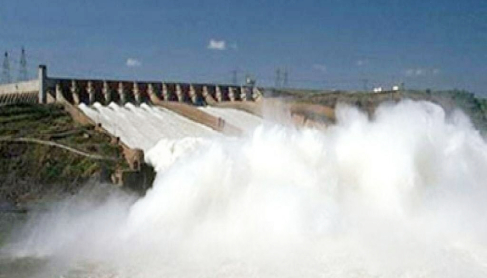
Despite these challenges, officials say improved fuel diversification and increased hydropower generation—currently contributing around 6,000 MW—have helped stabilise the national grid and avoid widespread loadshedding. However, the timely arrival of the two Qatari LNG shipments remains essential to maintaining supply balance and meeting rising summer demand.