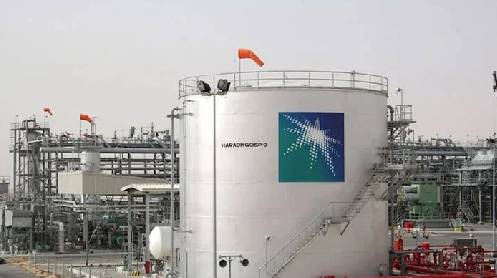
RIYADH: Saudi energy giant Aramco has warned that the ongoing Middle East conflict has triggered the world’s largest-ever energy supply shock, with global oil markets likely to remain unstable until 2027 even if the Strait of Hormuz reopens soon.
Addressing investors on Monday, Aramco President and CEO Amin H. Nasser said the disruption to global energy supplies had created unprecedented volatility in international oil markets.
“The energy supply shock that began in the first quarter is the largest the world has ever experienced,” Nasser said.
He cautioned that even if the Strait of Hormuz were reopened immediately, it would still take several months for oil markets to rebalance. “If its opening is delayed by a few more weeks, then normalisation will last into 2027,” he added.
Aramco’s remarks came a day after the company announced a more than 25 percent increase in net profit for the first quarter of 2026 compared to the same period last year. The rise was largely driven by surging oil prices amid continuing disruptions to exports through the strategically vital Strait of Hormuz.
Global crude prices climbed sharply during the first quarter, rising from the mid-$60 per barrel range in early February to above $100 per barrel in March after Iran’s closure of the waterway intensified fears of a prolonged global energy crisis.
According to Nasser, the market has already experienced an “unprecedented supply loss” of nearly one billion barrels of oil, estimating the figure at approximately 880 million barrels so far.
He further warned that if disruptions continue at the current pace, global markets could lose around 100 million barrels of oil for every additional week the Strait of Hormuz remains closed.
The Aramco chief noted that part of the supply shortfall had been mitigated through alternative export routes, including Saudi Arabia’s East-West pipeline, which bypasses the Strait of Hormuz, as well as emergency releases from strategic petroleum reserves by governments worldwide.
Despite these measures, analysts remain concerned that prolonged disruption in one of the world’s most critical oil transit routes could continue to pressure energy markets, fuel inflation, and strain global supply chains in the months ahead.
By AFP