ISLAMABAD: The Cabinet Committee on Privatisation (CCOP) has approved the transaction structure for the planned privatisation of three major power distribution companies (DISCOs) — Islamabad Electric Supply Company (IESCO), Gujranwala Electric Power Company (GEPCO), and Faisalabad Electric Power Company (FESCO) — as part of broader reforms in Pakistan’s power sector.
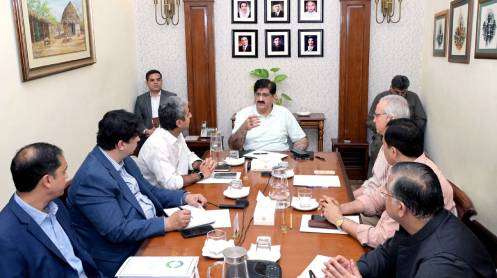
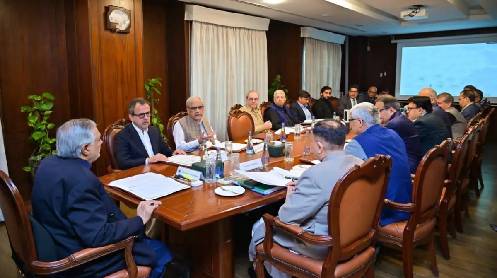
The meeting, chaired by Deputy Prime Minister and Foreign Minister Ishaq Dar, reviewed key proposals aimed at improving efficiency, reducing losses, and strengthening financial sustainability within the electricity distribution system.
According to an official statement issued on Friday, the committee approved the transaction structure and decided to offer an outright sale of 51 to 100 percent of share capital in each DISCO, along with full management control, subject to final approval by the federal cabinet.
The move is part of the government’s ongoing efforts to introduce private sector participation in the power distribution network, with the aim of improving service delivery, ensuring more reliable electricity supply, and enhancing operational efficiency.
Officials said the privatisation framework is designed to attract strategic investors who can bring technical expertise, modern management practices, and capital investment into the distribution companies.
The meeting was attended by the Federal Minister for Power, Adviser on Privatisation, Special Assistant to the Prime Minister Tariq Bajwa, Secretary Cabinet, Secretary Privatisation Commission, Secretary Privatisation Division, Secretary Power Division, Chairman of the National Electric Power Regulatory Authority (NEPRA), Chairman of the Securities and Exchange Commission of Pakistan (SECP), and senior officials from relevant ministries and departments.
The government has stated that the initiative is intended to address long-standing inefficiencies in the power distribution sector, reduce financial losses, and improve overall governance through private sector-led management.