NEW DELHI: The Delhi government has approved a new Electric Vehicle (EV) Policy that offers generous financial incentives to encourage residents to replace older vehicles with electric alternatives, as part of a broader strategy to combat the capital’s severe air pollution.
Under the policy finalized on Monday, car owners who scrap vehicles purchased before April 1, 2020, and replace them with a battery electric vehicle (BEV) will receive a cash incentive of 90,000 Indian rupees (approximately US$1,060).
The four-year policy, with an estimated outlay of 150 billion Indian rupees (US$1.59 billion), aims to accelerate EV adoption by supporting the purchase of electric two-wheelers, passenger cars, and light commercial vehicles, while significantly expanding the city’s EV charging infrastructure.
To further encourage electric mobility, buyers of battery electric cars priced up to 3 million rupees will be exempt from road tax and vehicle registration fees, which typically account for 4% to 10% of a vehicle’s purchase price.
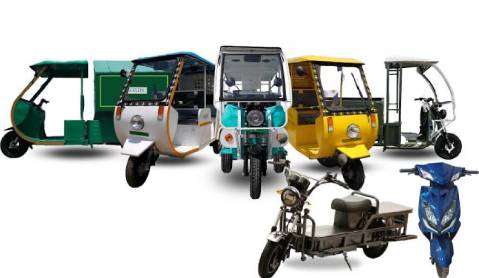
The policy also provides incentives for electric two-wheelers. Buyers of electric scooters and motorcycles will receive a 30,000-rupee cash subsidy during the first year of the scheme, which will gradually decline to 10,000 rupees by the third year.
In a major policy shift, the Delhi government has announced that from 2028 onward, only electric two-wheelers will be registered in the city, effectively phasing out new registrations of petrol-powered motorcycles and scooters.
The initiative is part of Delhi’s long-term efforts to improve air quality in one of the world’s most polluted cities. Every winter, the capital experiences hazardous smog as emissions from crop burning in neighboring states, vehicular exhaust, industrial activity, and construction dust become trapped under stagnant atmospheric conditions.
Officials believe the new EV policy will not only accelerate the transition toward clean transportation but also play a significant role in reducing greenhouse gas emissions, improving urban air quality, and supporting India’s broader climate and sustainable mobility goals.
By Reuters