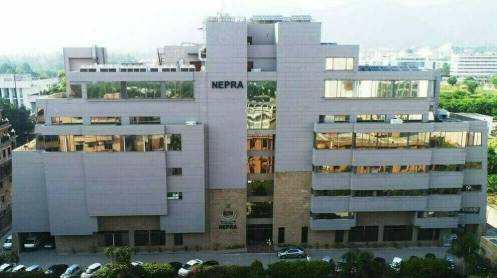
ISLAMABAD: Transparency International Pakistan (TIP) has urged Prime Minister Shehbaz Sharif to stop the proposed amendments to the Nepra Act, 1997, warning that the changes could undermine the independence of the National Electric Power Regulatory Authority (Nepra) and weaken federal cabinet oversight of key regulatory decisions.
In a letter addressed to the Prime Minister’s Adviser, Dr. Tauqeer Shah, TIP said it had received a complaint regarding the Nepra Amendment Bill 2026, raising serious concerns over provisions that would transfer certain regulatory powers from the Federal Government to the Power Division or the “concerned Division.”
According to the complaint, the National Assembly Standing Committee on Power has approved the proposed bill, which seeks to replace the term “Federal Government” with “Power Division” or “Division concerned” for the approval of various regulatory matters.
TIP argued that the existing framework, particularly under Section 31 of the Nepra Act, ensures that tariff notifications and policy directions remain subject to collective oversight by the Federal Cabinet, thereby providing an important layer of transparency, accountability, and democratic responsibility.
The organisation warned that replacing cabinet oversight with authority vested in a single ministry could concentrate decision-making powers within the Power Division, raising concerns about transparency and regulatory independence.
According to the complaint, regulatory decisions should remain insulated from departmental and political priorities to ensure impartial, technically sound, and cost-reflective decision-making. TIP cautioned that placing Nepra under the direct influence of the Power Division could increase the risk of politicisation of tariff determinations, delayed regulatory decisions, and preferential treatment for selected market participants.
TIP further claimed that the World Bank has also expressed concerns over the proposed legislative changes during discussions with the relevant authorities, particularly regarding the replacement of the term “Federal Government” with “Division concerned.”
The organisation maintained that reducing the Federal Cabinet’s oversight would weaken an important institutional safeguard designed to ensure transparency and accountability in Pakistan’s power sector governance.
In its letter, Transparency International Pakistan requested the Prime Minister to examine the concerns raised in the complaint and issue directives to halt the proposed amendments that, it said, could erode the regulatory autonomy of Nepra.
Separately, the World Bank has reportedly conveyed reservations over the proposed amendments to both the Nepra Act, 1997, and the Electricity Act, 1910, cautioning that the changes could compromise the regulator’s independence.
Pakistan’s business community and industrial sector have also voiced concerns, warning that the proposed amendments may subject Nepra to greater ministerial influence and weaken investor confidence in the country’s power sector.
Power Division Defends Amendments
The Power Division has defended the proposed amendments, stating that their primary objective is to simplify administrative procedures and eliminate unnecessary delays in decision-making.
According to the ministry, the proposed changes are in line with the Mustafa Impex judgment, after which the Federal Cabinet directed ministries to review existing laws, rules, and regulations to ensure that routine and technical matters are not unnecessarily referred to the Cabinet.
The Power Division maintains that the amendments are limited to procedural matters, replacing the term “Federal Government” with the “concerned Division” in specific cases related to filings, notifications, and technical reviews, while leaving the substantive regulatory framework and Nepra’s statutory functions unchanged.
Story by Mushtaq Ghumman