KARACHI: The Oil Marketing Association of Pakistan (OMAP) has expressed serious concerns over the Oil and Gas Regulatory Authority’s (Ogra) proposed move to publish petroleum product prices on a daily basis, warning that the decision could create significant operational and financial challenges for the country’s oil marketing sector.
In a statement, OMAP said the proposed daily pricing mechanism was introduced without adequate consultation with oil marketing companies (OMCs), fuel dealers and other key stakeholders. The association maintained that most OMCs are not yet equipped to implement such a system and cautioned that its immediate enforcement could disrupt fuel supply operations.
According to OMAP, daily fuel pricing would place considerable pressure on companies by requiring extensive upgrades to enterprise resource planning (ERP), point-of-sale (POS) and other digital systems. It also warned of challenges related to inventory valuation, stock management, regulatory compliance, dealer margin adjustments and cash flow management.
The association further noted that an abrupt transition could create uncertainty in the petroleum market, potentially affecting supply chains and causing confusion among consumers.
OMAP urged the government and Ogra to adopt a phased implementation strategy instead of introducing the mechanism immediately. It recommended comprehensive consultations with industry stakeholders before implementation, along with the development of a transparent pricing formula, clear inventory valuation guidelines, support for digital system upgrades, clarification of tax and accounting procedures, a well-defined dealer margin adjustment framework, and comprehensive standard operating procedures (SOPs).
OMAP Seeks Government Support for Emerging OMCs
Separately, OMAP has appealed to the federal government to take immediate measures to address the worsening financial crisis facing emerging and smaller oil marketing companies, warning that continued inaction could weaken competition, discourage investment and threaten the sustainability of Pakistan’s downstream petroleum industry.
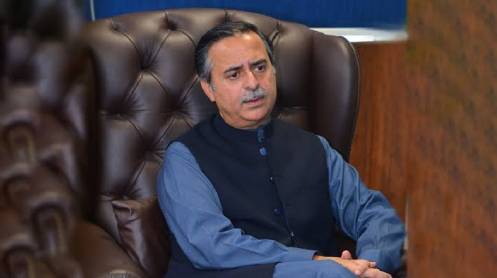
In a letter to Minister for Energy (Petroleum Division) Ali Pervaiz Malik, OMAP Chairperson Tariq Wazir Ali highlighted the mounting financial pressures on smaller OMCs, attributing the crisis to stagnant marketing margins, delayed payment of Price Differential Claims (PDCs), and recurring losses caused by unilateral fuel pricing decisions.
The association stated that all licensed OMCs are legally required to maintain minimum fuel stocks. However, frequent revisions in petroleum prices without prior consultation reduce the value of these mandatory inventories, forcing smaller companies to absorb substantial financial losses.
OMAP pointed out that OMC marketing margins have remained unchanged since 2023 despite sharp increases in operating costs, financing expenses and regulatory compliance requirements. Unlike larger companies, emerging OMCs have limited access to affordable financing and are therefore more vulnerable to rising business costs.
The association also revealed that nearly Rs66.7 billion in outstanding Price Differential Claims owed to its member companies remain unpaid. The delayed release of these funds, it said, has severely constrained working capital, limiting the ability of smaller OMCs to open letters of credit, finance imports and procure fuel cargoes amid rising global oil prices.
OMAP warned that the combined impact of stagnant margins, unpaid PDCs and inventory losses has evolved into a structural challenge for Pakistan’s downstream petroleum sector. It cautioned that if smaller OMCs are forced to scale down operations or exit the market, the country could face reduced competition, fewer consumer choices and declining investor confidence.
While reaffirming its support for government initiatives aimed at providing relief to consumers, OMAP stressed that the financial burden of such relief should be borne by the government rather than transferred to an industry already under severe financial stress.
The association has urged the Minister for Energy to intervene urgently and address these issues to ensure the long-term sustainability, competitiveness and stability of Pakistan’s petroleum marketing sector.