ISLAMABAD: Pakistan LNG Limited (PLL) has invited bids from international LNG suppliers for its seventh spot liquefied natural gas (LNG) cargo, as the country continues to manage supply shortages caused by the prolonged force majeure declared by QatarEnergy.
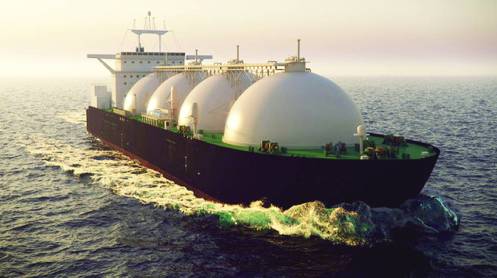
According to the tender issued on Friday, PLL is seeking one LNG cargo of approximately 140,000 cubic metres for delivery during the July 27–28 window.
Pakistan has increasingly relied on the spot LNG market after QatarEnergy extended its force majeure until August. The disruption, originally declared on March 4, followed an attack on the company’s flagship Ras Laffan LNG production complex amid heightened geopolitical tensions in the Strait of Hormuz, affecting contracted LNG supplies to Pakistan.
Under the amended Public Procurement Regulatory Authority (PPRA) rules, PLL is required to complete the procurement process on the same day the bids are opened. The tender document states that bids must be submitted by 2:00 pm on July 20 and will be opened at 2:30 pm. The successful bidder is expected to be notified and awarded the contract by 10:00 pm the same day.
However, the PLL Board retains the authority to accept or reject any bid and will communicate its final decision to participants on July 20.
The latest tender comes just two days after PLL awarded another spot LNG cargo to PetroChina International for delivery during July 21–22. The cargo was secured at $20.6999 per MMBtu, marking the highest price Pakistan has paid for a spot LNG shipment since re-entering the spot market following the supply disruption.
With the arrival of the July 27–28 cargo, Pakistan will have imported 12 LNG cargoes during the current supply cycle, including seven spot cargoes procured through international competitive bidding and five government-to-government cargoes supplied by QatarEnergy under the long-term LNG agreement.
The continued procurement of spot cargoes underscores Pakistan’s efforts to ensure uninterrupted gas supplies amid ongoing disruptions to contracted LNG deliveries and heightened volatility in the global energy market.
Story by Khalid Mustafa