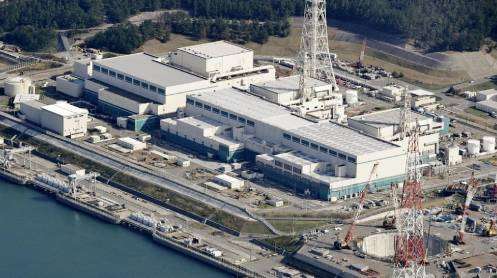
NIIGATA: Japan has taken a decisive step towards restarting the world’s largest nuclear power plant, nearly 15 years after the Fukushima disaster, as the Niigata prefectural assembly approved a vote backing the resumption of operations at the Kashiwazaki-Kariwa facility.
Located about 220 kilometres northwest of Tokyo, Kashiwazaki-Kariwa was among the 54 reactors shut down after the 2011 earthquake and tsunami triggered the Fukushima Daiichi nuclear accident. Since then, Japan has restarted 14 of the 33 reactors that remain operable, as it seeks to reduce dependence on imported fossil fuels.
The plant will be the first nuclear facility operated again by Tokyo Electric Power Company (TEPCO), which also ran the Fukushima plant. The assembly’s vote of confidence in Governor Hideyo Hanazumi, who endorsed the restart last month, cleared the final political hurdle for resuming operations. Public broadcaster NHK reported that TEPCO is considering restarting the first of the plant’s seven reactors as early as January 20.
Outside the assembly, around 300 protesters gathered in sub-zero temperatures, chanting anti-nuclear slogans and expressing concerns about safety and TEPCO’s ability to operate the facility. Public opposition remains strong, with a prefectural survey showing 60 per cent of residents believe conditions for a restart have not been met.
TEPCO has pledged to invest 100 billion yen over the next decade in Niigata to build local support, while reiterating its commitment to preventing any repeat of past disasters.
The restart could increase electricity supply to the Tokyo region by about two per cent and is seen as a key step in Japan’s energy strategy. Prime Minister Sanae Takaichi has backed nuclear restarts to strengthen energy security, curb high fuel import costs and meet rising power demand driven by AI data centres. Japan aims to double nuclear power’s share of its electricity mix to 20 per cent by 2040, despite lingering public anxiety over nuclear safety.
By Reuters