ISLAMABAD: Prime Minister Shehbaz Sharif on Thursday launched a landmark 100-megawatt solar energy project for Gilgit-Baltistan aimed at providing affordable and clean electricity to nearly 1.3 million residents while addressing the region’s chronic power shortages.
Thank you for reading this post, don't forget to subscribe!The ambitious renewable energy initiative includes utility-scale solar plants, rooftop solarisation, battery energy storage systems, and free solar panel distribution for households and small businesses.
The project is being executed under the supervision of a steering committee formed by the prime minister and headed by Federal Minister for Power Awais Ahmad Khan Leghari.
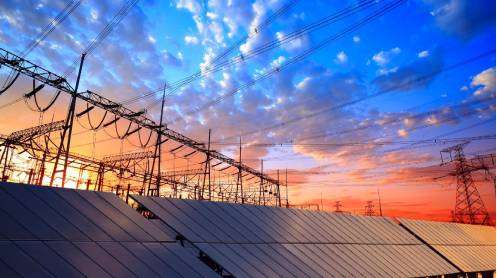
According to the Power Division, the project comprises an 82MW utility-scale solar cluster integrated with 52 hydropower stations across the region. Additionally, 499 public and private sector buildings will be converted to rooftop solar systems to reduce dependence on conventional electricity sources.
A key component of the initiative is the installation of a 66.1 megawatt-hour battery energy storage system, designed to ensure uninterrupted electricity supply during nighttime hours and improve overall grid reliability.
The Power Division said an integrated central control and communication system would also be established to enhance dispatch management and coordination between solar generation and existing hydropower infrastructure, helping stabilise electricity supply throughout the mountainous region.
As part of the broader relief package, the government will distribute an additional 58MW worth of solar photovoltaic panels free of cost among households, shops, and small businesses through a transparent balloting process.
Officials described the initiative as one of Pakistan’s largest renewable energy interventions in a remote region and a major step towards adopting advanced clean-energy technologies, including battery storage systems.
“We have already moved into an advanced stage in renewable energy and battery storage technologies while many are still discussing these ideas,” the Power Division said in a statement, adding that planning for battery storage systems had started months earlier to keep Pakistan aligned with global technological transformation and innovation.
The government believes the project will not only help overcome electricity shortages in Gilgit-Baltistan but also stimulate economic activity, generate employment opportunities, support local businesses, and improve living standards across the region.
According to official timelines, the rooftop solarisation component is expected to be completed by December 2026, while the utility-scale solar clusters are scheduled to become operational by December 2027.
Major Components of the Project
- 100MW total solar generation capacity
- 82MW utility-scale solar clusters
- Solarisation of 499 buildings
- 58MW free solar PV panel distribution
- 66.1MWh battery energy storage system
- Integration with 52 hydropower plants
- Centralised control and communication system
- Clean electricity access for nearly 1.3 million people
The Power Division further stated that previous governments had largely neglected the energy requirements of Gilgit-Baltistan, while the current administration remained committed to regional development, public welfare, and expanding clean energy access in underserved areas of the country.