In today’s rapidly changing energy landscape, businesses are facing increasing challenges related to rising electricity costs, power shortages, and the need for uninterrupted operations. To overcome these challenges, many commercial and industrial sectors are now shifting toward hybrid solar systems as a reliable and cost-effective energy solution.
A hybrid solar system combines solar panels, battery storage, and grid connectivity into one intelligent system. Unlike traditional on-grid systems, hybrid solutions provide greater flexibility by storing excess solar energy in batteries for later use. This ensures continuous power availability even during grid failures or load shedding, making it an ideal solution for businesses that cannot afford operational downtime.
One of the biggest reasons businesses are adopting hybrid systems is the significant reduction in electricity expenses. With utility prices continuously increasing, companies are seeking long-term solutions to control operational costs. Hybrid solar systems help businesses maximize solar energy consumption during the daytime while utilizing stored battery power during peak tariff hours or outages. This reduces dependency on expensive grid electricity and improves overall energy efficiency.
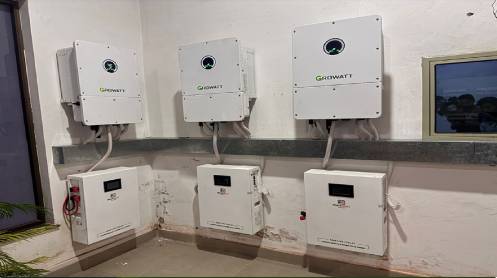
Another major advantage is energy security and reliability. Industries, offices, hospitals, shopping malls, warehouses, and manufacturing units rely heavily on uninterrupted power to maintain productivity and protect critical equipment. Power interruptions can result in production losses, data issues, and operational delays. Hybrid systems provide seamless backup support, ensuring that essential operations continue without disruption.
Modern hybrid technologies also offer intelligent energy management features. Advanced monitoring platforms allow businesses to track energy production, battery status, consumption patterns, and system performance in real time. This enables companies to optimize their energy usage and make smarter operational decisions.
Growatt’s WIT Series hybrid inverters are playing a major role in this transition toward smarter commercial energy solutions. Designed specifically for commercial and industrial applications, the Growatt WIT Series offers high efficiency, intelligent battery integration, and advanced energy management capabilities. The series supports scalable battery storage solutions, making it suitable for businesses with growing energy demands.
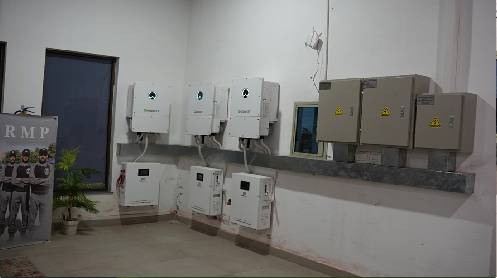
The WIT Series also provides seamless switching between solar, battery, and grid power to ensure stable operation during power interruptions. With intelligent EMS functions, remote monitoring through Growatt OSS platforms, and strong compatibility with lithium battery systems, businesses can achieve maximum operational efficiency and energy independence.
In addition to performance and reliability, the Growatt WIT Series is engineered with advanced protection features and smart cooling technology, ensuring stable operation even in demanding environmental conditions. Its flexible design and parallel capability make it an ideal solution for factories, offices, warehouses, educational institutions, and large commercial facilities.
In addition to financial savings and operational reliability, hybrid solar systems also support sustainability goals. Businesses are increasingly focusing on reducing their carbon footprint and adopting environmentally responsible practices. By utilizing clean solar energy, companies not only lower emissions but also strengthen their corporate image as environmentally conscious organizations.
As the demand for reliable and efficient energy continues to grow, hybrid solar systems are no longer just an alternative — they are becoming the future of commercial and industrial power solutions. Businesses that invest in advanced hybrid technologies like the Growatt WIT Series today are positioning themselves for long-term energy independence, operational stability, and sustainable growth. The future of business energy is smart, sustainable, and hybrid.