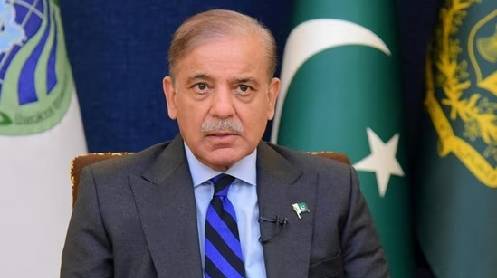
ISLAMABAD: Consumers in Pakistan may soon receive substantial relief in petroleum prices after Prime Minister Shehbaz Sharif directed authorities to immediately pass on the benefits of declining international oil prices to the public.
In response to the Prime Minister’s directive, the government has constituted a high-level committee tasked with developing a transparent weekly pricing mechanism for petroleum products, Federal Minister for Petroleum Ali Pervaiz Malik announced on Thursday.
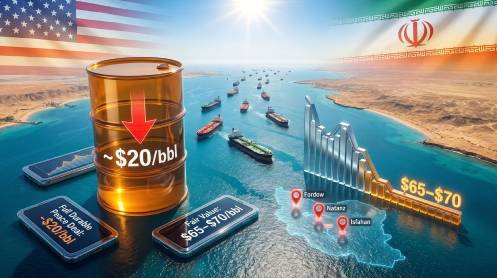
According to the minister, recent diplomatic efforts have contributed to easing tensions in the Middle East, with the United States and Iran moving toward a ceasefire agreement. The development has positively impacted global energy markets, leading to a notable decline in international crude oil prices.
The United States and Iran on Wednesday released the text of an interim agreement aimed at ending the conflict, reopening the Strait of Hormuz, and lifting U.S. sanctions on Iranian oil exports. The agreement is expected to ease one of the largest disruptions to global energy supplies in recent history.
Following the announcement, international oil prices continued their downward trend. Brent crude futures fell by 89 cents, or 1.12%, to $78.66 per barrel, while U.S. West Texas Intermediate (WTI) crude declined by 98 cents, or 1.28%, to $75.81 per barrel in early trading. Overall, global oil prices have dropped by more than 30 percent over the past month.
In an official statement, the government said the Prime Minister had instructed relevant authorities to ensure that the reduction in international oil prices is reflected in domestic petroleum rates without delay.
Ali Pervaiz Malik stated that the proposed weekly pricing formula would improve transparency by clearly explaining the factors behind any increase or decrease in fuel prices. He added that the mechanism would be finalized after consultations with all relevant stakeholders.
“The public will be fully informed about the reasons behind price adjustments, and the petroleum pricing process will become more transparent and predictable,” the minister said.
Malik also highlighted the government’s efforts to maintain uninterrupted fuel supplies despite regional tensions, noting that Pakistan’s oil supply chain remained stable throughout the crisis.
He further revealed that the government is reviewing its broader energy security strategy in light of the evolving regional situation. Several policy measures are expected to be introduced in the coming months to strengthen Pakistan’s energy resilience, safeguard national interests, and ensure long-term energy security.
The anticipated reduction in petroleum prices is expected to provide relief to consumers and businesses alike, potentially easing inflationary pressures and lowering transportation and production costs across various sectors of the economy.