Policymakers, energy experts, investors and industry leaders at a conference held on the energy sector unanimously called for building a comprehensive ecosystem for electric vehicles (EVs), particularly a nationwide charging station network, saying Pakistan must accelerate the transition to clean mobility to significantly reduce fossil fuel consumption, curb harmful emissions from the transport sector and strengthen long-term energy security.
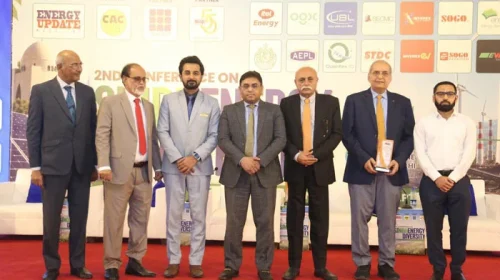
The discussion on EVs and their charging infrastructure took place in a special panel discussion held as part of the 2nd Sindh Energy Diversity Conference 2026 organised by the Energy Update. The theme of the conference was “From resources to resilience: Sindh’s next energy chapter”.
Speakers at the event stressed that the rapid expansion of EV infrastructure along with supportive government policies, affordable financing, consumer incentives and a robust electricity distribution network was essential for promoting electric mobility across the country.
Participants observed that the transport sector remained one of the largest consumers of imported petroleum products and a major contributor to greenhouse gas emissions. They maintained that expanding EV adoption would not only reduce Pakistan’s fuel import bill but also improve urban air quality and help the country meet its international climate commitments.
During a panel discussion on ‘Electric Vehicles and Clean Mobility’, the moderator, Climate Action Plan Chief Executive Officer Yasir Hussain, urged the policymakers to expedite the rollout of EV infrastructure as a strategic step towards sustainable transportation.
Representing the Sindh Mass Transit Authority, Bashir Hussain said Sindh had become the first province to introduce electric bus services in Pakistan. He added that the province planned to expand the fleet through public-private partnerships while establishing additional charging facilities at bus depots across Karachi.
He highlighted the provincial government’s initiative to provide electric scooters to working women and female students after proper training and licensing to encourage affordable and environmentally friendly mobility.
An official of the National Energy Efficiency and Conservation Authority (NEECA), who joined the discussion through a live video link from Islamabad, informed the conference that 222 EV charging stations had already been registered in major cities and along inter-city highways and motorways, while numerous applications for additional facilities were in process.
They said the government had also reduced electricity tariffs for EV charging stations to encourage private-sector investment. Representing K-Electric, Abu Bakar Ismail assured investors that Karachi possessed adequate electricity infrastructure to support the rapid expansion of EV charging facilities.
Rashid Azeem, head of sustainability, ESG and climate risk at the United Bank Limited, told the audience that the bank had been offering affordable financing facilities to middle-income families to enable them to purchase electric vehicles, helping reduce their daily commuting costs.
He said the UBL was fully prepared to partner with the federal and provincial governments in implementing loan and subsidy schemes aimed at accelerating the adoption of electric cars and electric motorcycles across Pakistan.
Khalique Jafrani, chairman of the SOGO Group, said Pakistan offered enormous growth potential for electric two-wheelers describing them as a cost-effective alternative to conventional motorcycles.
He urged the government to introduce a comprehensive package of incentives to encourage local manufacturers to indigenously produce key electric vehicle components, thereby strengthening the domestic EV industry and reducing reliance on imports.
Businessman Malik Khuda Baksh urged the electricity distribution companies to expedite new electricity connections for entrepreneurs interested in establishing charging stations, saying unnecessary delays were slowing investment in the emerging sector.
The conference also emphasised that Pakistan’s clean energy transition would remain incomplete unless the country developed indigenous manufacturing capabilities for modern energy technologies.
Speakers called for promoting local production of battery energy storage systems, battery cells, solar panels, wind turbines and other advanced clean-energy equipment to reduce import dependence, strengthen industrial capacity and create skilled employment opportunities.