SINGAPORE: Vessel traffic through the strategically vital Strait of Hormuz continued to decline at the start of the week as heightened security concerns followed a fresh exchange of attacks between the United States and Iran.
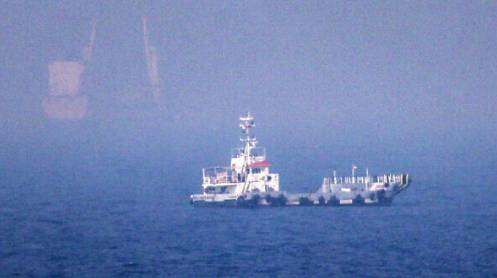
According to shipping analytics firm Kpler, only four commodity vessels transited the strait on Monday, down from seven vessels on Sunday, reflecting growing caution among shipping operators.
The vessels included two tankers exiting the strait—one carrying petrochemical cargo and another sailing empty—and two inbound vessels, comprising a bitumen tanker and an oil tanker.
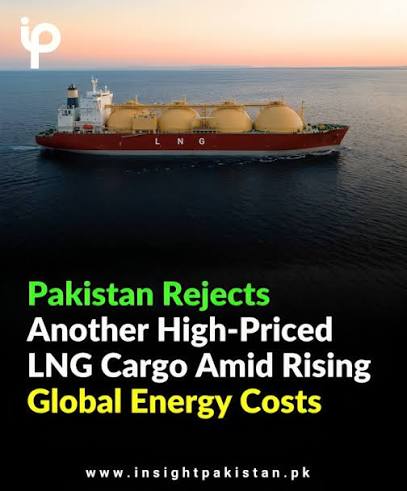
Notably, there were no visible Very Large Crude Carriers (VLCCs) or liquefied natural gas (LNG) carriers transiting the waterway on Monday, highlighting the increasing reluctance of major shipping operators to navigate the region amid escalating risks.
Regional maritime tensions intensified after Yemen’s Iran-aligned Houthi movement announced on Monday that it was imposing a naval blockade on Saudi Arabia, raising fresh concerns over potential disruptions to global energy supplies beyond the Gulf.
Adding to the security concerns, the United Kingdom Maritime Trade Operations (UKMTO) agency said on Tuesday it had received multiple reports indicating that a tanker in the Strait of Hormuz had reported being struck by an unknown projectile.
Separately, Greek shipping company Dynacom Tankers confirmed that two of its managed vessels were hit by projectiles of unknown origin while sailing off the coast of Oman on Monday. In a separate incident, a third tanker managed by the company was reportedly struck by a drone while berthed at Russia’s Novorossiysk Caspian Pipeline Consortium (CPC) terminal on the Black Sea.
The latest incidents underscore mounting security risks across key global shipping routes, prompting increased vigilance among shipowners and raising concerns over potential impacts on international oil and gas trade.
By Reuters