KARACHI: The cost of mining coal in Pakistan’s Thar coalfield is expected to decline by around $0.70 per tonne as mining operations shift from diesel-powered equipment to grid electricity, according to a new study released by the Pakistan Credit Rating Agency (PACRA).
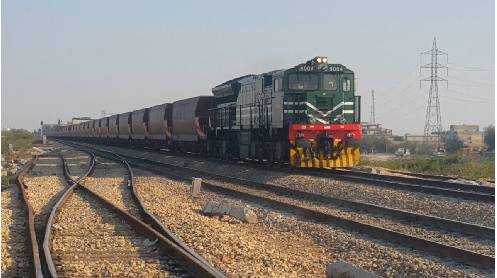
The study also projects that the Thar Coal Rail Connectivity Project will become operational by late 2026, significantly improving coal transportation and enabling wider use of Thar lignite beyond mine-mouth power plants.
Pakistan’s coal consumption increased sharply to 21.4 million tonnes during the first nine months of FY2025-26, compared with 16.2 million tonnes during the same period last year. The increase was driven by stronger demand from the power sector, cement industry, other industrial users, and brick kilns.
The power sector remained the largest consumer, accounting for 12.8 million tonnes of total coal consumption during the period.
Domestic coal production also rose, reaching 14.3 million tonnes, while coal imports climbed to approximately 7.1 million tonnes, up from 4.5 million tonnes a year earlier. According to the study, despite increased local production, rising demand continued to require substantial imported coal supplies.
PACRA noted that the Ministry of Energy has received a feasibility study confirming that Jamshoro Power Plant Unit-1 can be converted from imported coal to 100 percent Thar lignite, generating estimated savings of $3.2 billion over 26 years.
The proposed brownfield conversion would not add new generation capacity but would replace imported coal with locally mined fuel, reducing Pakistan’s import bill while increasing demand for indigenous coal.
Meanwhile, Thar Block-II is expected to expand its mining capacity to 11.2 million tonnes per annum during the second half of 2026 to supply fuel to the 660MW Lucky Electric Power Plant.
The study also highlighted that blending trials using Thar coal are currently underway at three imported coal-fired independent power producers (IPPs) with a combined generation capacity of 3,960MW. If mandatory coal blending is introduced, demand for imported coal could decline significantly.
International coal prices have also increased, with imported coal reaching $110 per tonne (FOB) in March 2026, around 22 percent higher than the previous year. PACRA expects import volumes to gradually decline as locally produced Thar coal becomes increasingly cost-competitive.
The report further noted that the rapid growth of distributed solar power is reshaping Pakistan’s electricity sector. Solar generation is estimated to have contributed 28 percent of total electricity generation in FY2024-25, compared with 10 percent just two years earlier, reducing demand for grid electricity while capacity payments to coal-fired power plants remain fixed.
Looking ahead, PACRA expects demand for locally produced coal to remain strong, supported by continued consumption from the power and industrial sectors. Rising production from Thar is also expected to gradually reduce Pakistan’s dependence on imported coal, strengthening energy security and lowering exposure to international fuel price volatility.
However, the report cautioned that achieving these objectives will require sustained investment in mining infrastructure, transportation networks, and technical capabilities to fully unlock the country’s indigenous coal resources.
Story by Tanveer Malik