- Minister says rapid rooftop solar expansion has left country with surplus electricity during daytime
- Government preparing battery storage, local manufacturing policies to balance increasingly renewable grid
ISLAMABAD: Pakistan no longer faces a shortage of electricity generation but must now invest in energy storage and a more flexible power grid to manage the rapid growth of rooftop solar, Power Minister Awais Leghari said on Tuesday, describing the country’s energy transition as one driven largely by consumers rather than government policy.
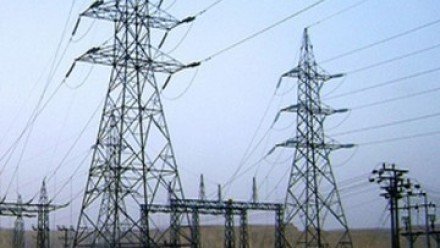
Pakistan has witnessed a sharp rise in rooftop solar installations in recent years as households, farmers and businesses turned to cheaper renewable energy to offset high electricity prices and frequent increases in utility tariffs. While the shift has reduced daytime demand on the national grid, it has also created new operational challenges because electricity demand remains high after sunset, when solar generation falls sharply.
The government says battery storage and grid modernization will now be critical to integrating renewable energy into Pakistan’s electricity system while reducing dependence on imported fossil fuels, which have left the country vulnerable to global energy price shocks and supply disruptions.
“Pakistan does not have a generation problem anymore. In many hours of the day, we have a surplus. What we have is a flexibility problem,” Leghari said while addressing an international conference on battery energy storage systems.
“The inability to move abundant midday solar energy into the evening peak.”
The minister said Pakistan already generated about 55 percent of its electricity from what he described as clean energy sources, including hydropower, nuclear, wind and solar power.
“Our target under this government is to take this figure to 90 percent clean energy by 2035,” he said.
Leghari said battery storage would play a central role in achieving that target by allowing excess solar electricity generated during the day to be used during evening peak demand.
“When we talk of battery energy storage systems today, we are not simply talking about a grid balancing technology. We are talking about insulating Pakistan’s economy from a volatile world,” he said.
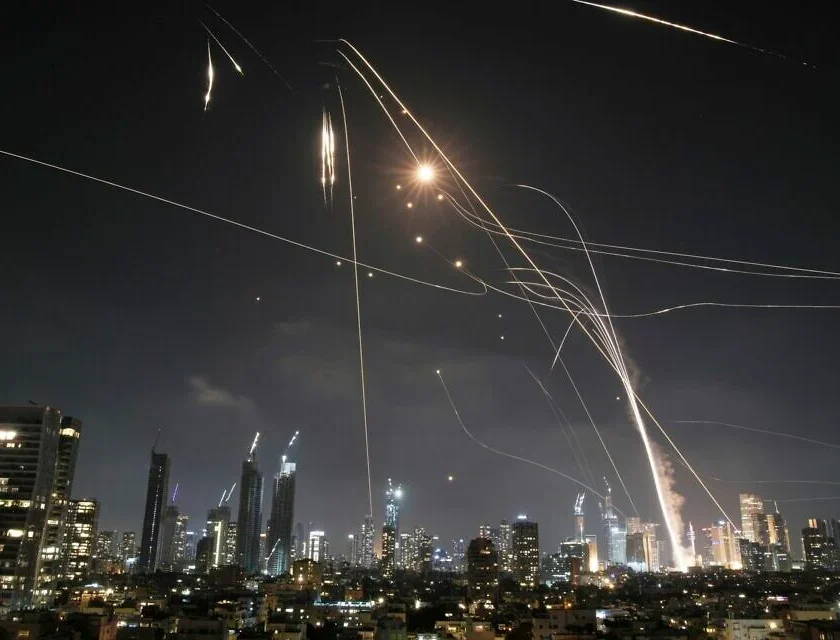
Referring to recent tensions in the Middle East, Leghari said volatility in international energy markets had reinforced the need for Pakistan to reduce its dependence on imported fuels.
“Every unit of electricity that we generate from an indigenous source is a unit that no foreign conflict, no shipping lane or no currency shock can take away from us,” he said.
The minister also announced that the government was preparing a local battery manufacturing policy aimed at encouraging domestic production rather than relying on imported battery systems.
“The Ministry of Industries is in the process of formulating the battery local manufacturing policy which will soon be finalized and will incentivize the local production,” he said.
Leghari said the government had established a national steering committee on battery energy storage systems, supported by technical and regulatory working groups developing commercial frameworks, pilot projects and national standards to encourage investment in the sector.
He said Pakistan wanted local companies to move beyond importing battery technology and instead assemble battery packs, develop battery management software, manufacture components and build domestic engineering expertise to support the country’s long-term energy transition.