Tarbela Reaches Maximum Level as Pakistan’s Water Reserves Rise to 10.428 MAF
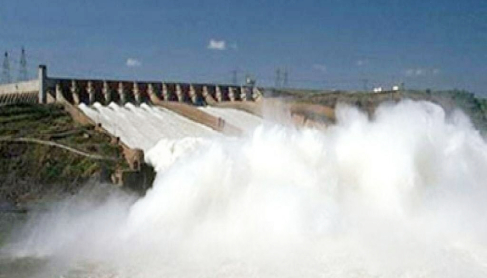
**ISLAMABAD:** Pakistan’s water storage position has improved significantly as Tarbela Dam reached its maximum conservation level of 1,550 feet, with stored water rising to 5.580 million acre-feet (MAF).
The development pushed the total water stored in the country’s major dams and barrages to 10.428 MAF, against an overall storage capacity of 13.149 MAF.
According to the latest data, total water inflows into the country stood at 342,400 cusecs, while outflows were recorded at 287,900 cusecs.
The Indus River System Authority (Irsa) reported that 349,600 cusecs of water was being distributed among the four provinces. Punjab was receiving 145,100 cusecs, Sindh 190,100 cusecs, Balochistan 12,000 cusecs and Khyber Pakhtunkhwa 2,500 cusecs.
Since April 1, around 2.364 MAF of water has been released downstream of Kotri Barrage to help check seawater intrusion and protect the Sindh delta.
An Irsa official clarified that Tarbela’s storage had stood at 5.523 MAF in the morning reading, with the reservoir expected to reach its maximum conservation level during the night.
### Mangla Storage Remains Under Pressure
The situation at Mangla Dam remains less encouraging due to weak inflows in the Jhelum River.
Water level at Mangla has reached 1,205.95 feet against its maximum level of 1,242 feet, while storage stands at 4.621 MAF compared with its total capacity of 7.258 MAF.
The Irsa official said the prospects of Mangla reaching its maximum level remained limited because of below-average inflows.
He noted that monsoon inflows this year had remained lower than the average recorded over the past decade, raising questions about the availability of stored water for the upcoming Rabi season, which begins on October 1.
According to the official, the availability of water for Rabi crops will largely depend on the extent of reservoir drawdown after August and the time required for the maturity of Kharif crops.
### Extended Kharif Season May Affect Rabi Supplies
The official said the late sowing of Kharif crops, caused partly by delayed river and reservoir inflows, could extend the current cropping season.
As a result, water drawdown from reservoirs may continue for a longer period to meet crop-maturity requirements.
He said authorities would also need to assess the surplus water available in nullahs, streams and rivers following recent floods before determining the overall water position for the Rabi season.
Water drawdown from the reservoirs is expected to continue after August 20 and throughout September until Kharif crops reach maturity.
The amount of water carried over in the reservoirs, together with remaining flows in streams, nullahs and rivers, will ultimately determine the water available for Rabi irrigation.
### River and Reservoir Flows
At Chashma Barrage, storage stood at 0.285 MAF against its capacity of 0.311 MAF. Inflows were recorded at 300,700 cusecs, while outflows stood at 292,100 cusecs.
Tarbela recorded inflows of 205,700 cusecs against outflows of 175,900 cusecs, while Mangla received 31,700 cusecs and released 7,000 cusecs.
At Marala on the Chenab River, inflows stood at 65,000 cusecs, while outflows were recorded at 45,000 cusecs.
Despite Tarbela reaching its maximum conservation level, officials cautioned that the overall water outlook for the Rabi season would depend on reservoir drawdown during the remaining Kharif season and the availability of additional flows in rivers and local water channels.
Story by Khalid Mustafa