# KE Seeks SIFC Intervention to Resolve Rs43bn Incremental Consumption Package Dispute
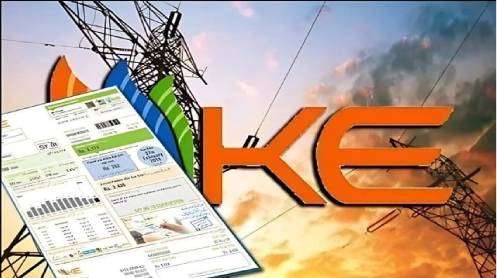
**ISLAMABAD:** The longstanding dispute between **K-Electric (KE)**, the Power Division and the **National Electric Power Regulatory Authority (Nepra)** over the financial impact of the Incremental Consumption Package (ICP) for industrial consumers has reached the **Special Investment Facilitation Council (SIFC)**, according to well-informed sources.
The ICP was introduced by the government in November 2020 to stimulate industrial activity and encourage higher electricity consumption. KE implemented the package from November 2020 to June 2021 in accordance with Nepra’s determination issued on December 1, 2020. The government subsequently extended the package from July 2021 to October 2023.
KE, however, maintains that the subsequent Nepra determination materially differed from the original decision and was inconsistent with the company’s **Multi-Year Tariff (MYT) framework for 2017–2023**.
In a letter to the SIFC, KE stated that its MYT sales target for FY2017–23 was fixed on the basis of an assumed **4.5% compound annual growth rate (CAGR)** in sent-out electricity, with the risk of under- or over-achievement resting with the company.
According to KE, actual growth during the control period was only around **1.5% CAGR**, primarily due to factors beyond its control, resulting in a financial impact of approximately **Rs39 billion**.
The company further contended that implementation of the disputed Nepra determination would lower actual growth to around **1.3% CAGR** because incremental units would be excluded, adding a further financial impact of approximately **Rs4 billion**.
### Difference in Tariff Frameworks
KE has argued that, unlike its MYT 2017–23 framework, the tariff mechanism applicable to **WAPDA Distribution Companies (WDISCOs)** allows the financial impact of actual sent-out electricity to be passed through to consumers through tariffs.
As a result, WDISCOs do not bear the same financial burden arising from the exclusion of incremental units supplied at marginal cost, KE maintained.
The company subsequently pursued legal remedies, first approaching the **Nepra Appellate Tribunal** and later the **Islamabad High Court**, where the matter remains sub judice. A stay order is currently in force.
KE has maintained that the disputed determination has significant financial implications for both the utility and the federal government, particularly because of its potential impact on subsidy requirements.
### SIFC-Backed Reconciliation Effort
The matter has been discussed at several high-level forums, including the SIFC, with participation from key stakeholders and representatives of the industrial sector.
During these discussions, KE, Nepra and the Power Division were directed to reconcile their respective calculations and establish a common factual and financial basis for resolving the dispute.
Following the reconciliation exercise, a recent meeting concluded that the **Power Division would formulate a proposal** to facilitate further discussions and help develop a mutually acceptable solution.
KE has now sought the support of both the Power Division and SIFC to bring all relevant stakeholders together for an **equitable and amicable settlement** of the longstanding issue.
The utility has argued that resolving the dispute is important for restoring business confidence, strengthening industrial competitiveness and protecting the broader interests of both **K-Electric and the Government of Pakistan**.
Story by Mushtaq Ghumman