# Stable EV Policy, Wider Charging Network Vital for Electric Mobility
Thank you for reading this post, don't forget to subscribe!**ISLAMABAD:** Pakistan needs a stable, long-term electric vehicle (EV) policy and a significantly expanded charging and battery-swapping network to accelerate affordable electric mobility, participants at a policy dialogue said.
The **Indus Consortium** organised a policy dialogue titled *“Electrifying Everyday Mobility: Advancing Public Transport and Two & Three-Wheelers”* at the Pakistan Red Crescent on Tuesday evening, bringing together representatives from government ministries, academia, financial institutions, the private sector, development partners and civil society.
The discussion focused on practical measures to accelerate affordable electric mobility in line with the government’s **New Energy Vehicle (NEV) Policy 2025–2030**, which targets EVs to account for **30% of all new vehicle sales by 2030**, including a **50% electrification target for two-wheelers, three-wheelers and buses**.
In his welcome remarks, Indus Consortium Board Member **Liaqat Ali** called for a predictable and consistent EV policy framework, saying frequent policy changes could discourage investment and make it difficult for industry and financial institutions to plan for the long term.
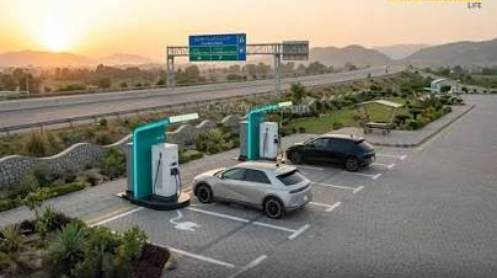
Member of the Senate Standing Committee on Power **Poonjo Mal Bheel** stressed the need to expand charging and battery-swapping infrastructure beyond major highways into urban centres, residential communities and rural areas.
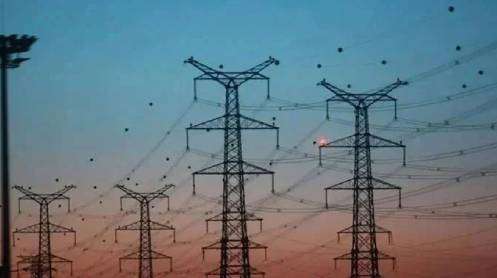
He also called for upgrades to the national electricity grid and greater integration of renewable energy to ensure that rising EV demand can be met reliably and sustainably.
**Sindh University Jamshoro Vice Chancellor Dr Fateh Marri** highlighted the importance of engaging young people in the country’s clean mobility transition, saying they should be equipped with knowledge, skills and opportunities to develop and showcase innovative ideas.
### Focus on Local Manufacturing and Financing
Participants emphasised that **local manufacturing of EVs, batteries and key components** should be treated as a strategic industrial priority. Greater localisation, they said, could lower vehicle costs, strengthen domestic supply chains and help establish a self-sustaining EV industry.
Speakers also called on banks and financial institutions to develop clearer assessment standards for **battery life, residual value and resale potential**, along with appropriate de-risking mechanisms to make EV financing more accessible to consumers and businesses.
The dialogue also highlighted the need for stronger coordination among government ministries, regulators, financial institutions and industry so that EV policy, grid infrastructure and financing mechanisms advance in parallel.
Other key areas discussed included **innovative financing and leasing models, effective delivery of consumer incentives and subsidies, localisation of EV supply chains, renewable energy integration and regulatory reforms** to create a more attractive investment environment.
The dialogue provided stakeholders with an opportunity to share national and international experiences and develop practical recommendations for Pakistan’s transition towards a **cleaner, more resilient and climate-smart transport system**.