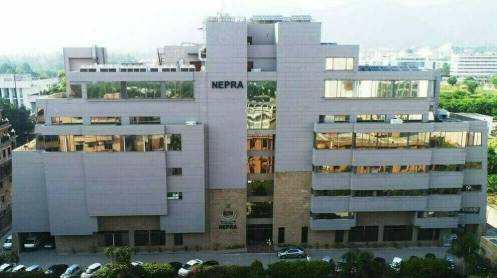
ISLAMABAD: The National Electric Power Regulatory Authority (Nepra) has refused to consider the government’s proposed review of the industrial incremental tariff package unless the Power Division first consults industry stakeholders and incorporates their concerns.
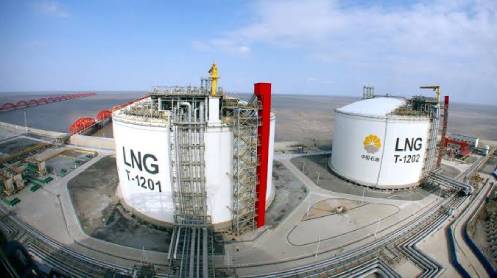
The development comes as the government seeks to recover around Rs36.52 billion from electricity consumers in September through an additional fuel cost adjustment (FCA), largely driven by expensive LNG imports. A further increase in consumer costs is expected in October as higher RLNG prices are likely to push up power generation costs.
At a public hearing chaired by Nepra members Maqsood Anwar Khan, Amina Ahmad and Ghulamullah Shaikh, Central Power Purchasing Agency (CPPA) CEO Rehan Akhtar said the key reason for the Rs2.52 per unit additional fuel cost for July was the unusually high purchase of RLNG cargoes from the spot market.
He said the absence of contracted LNG cargoes from Qatar, following the disruption of shipping through the Strait of Hormuz, forced Pakistan to rely more heavily on expensive spot-market supplies.
Industrial representatives, particularly from Karachi, criticised the existing incremental consumption tariff package, arguing that it had failed to provide meaningful relief to most industries. They said the package was supposed to be reviewed after six months following consultations with industry, but had remained unchanged for nine months.
Nepra Member Amina Ahmad acknowledged the concerns, saying the Power Division had already submitted its proposed review of the package. However, she termed it unfortunate that industrial consumers had not been consulted.
She announced that Nepra would not open the review request in its existing form and would return it to the Power Division with directions to revise the proposal after comprehensive consultations with industry.
Industrial consumers also raised concerns over the government’s tariff rebasing implemented from January 1. They argued that lower benchmarks had initially been used to reduce the budgeted subsidy, but subsequent increases in fuel costs had shifted a substantial financial burden onto consumers through additional FCAs and quarterly tariff adjustments.
The representatives further questioned the export of furnace oil at subsidised rates while domestic consumers continued to bear a substantial petroleum levy. They argued that the levy collected on furnace oil should instead be used to provide relief to industrial electricity consumers, as originally proposed by the prime minister.
Mr Akhtar said the proposal remained under consideration by the government but warned that implementing it would be challenging because of technical conditions attached to the IMF programme.
He said the suspension of contracted LNG supplies had forced the power sector to procure additional RLNG for Punjab-based large power plants to maintain system stability. The LNG shortfall was also partly compensated through increased generation from imported coal-fired power plants.
The CPPA chief further said the decision to stagger refuelling of the 1,100MW Karachi Nuclear Power Plant (K-III) had also affected the power supply situation. K-III is now expected to return to full generation by August 31, instead of the originally scheduled shutdown period from April 20 to June 20.
The hearing was informed that the cost of RLNG-based power generation had surged to Rs47.4 per unit in July, compared with less than half that level in the previous month, as expensive spot-market LNG cargoes were procured following the disruption of supplies from Qatar.
Mr Akhtar warned that the impact could become more severe in the coming months, as RLNG prices increased by nearly one-third in August. The higher fuel costs are expected to be reflected in consumers’ electricity bills in October.
Once approved by Nepra, the proposed adjustment of approximately Rs36.55 billion would be recovered from consumers of all power distribution companies, including former Wapda distribution companies (Discos) and K-Electric, through September electricity bills.
Story by Khaleeq Kiani