KARACHI: Karachi’s industrial sector has voiced growing concern over high electricity tariffs and additional charges, warning that rising energy costs are undermining production, exports and the competitiveness of Pakistani products in regional and international markets.
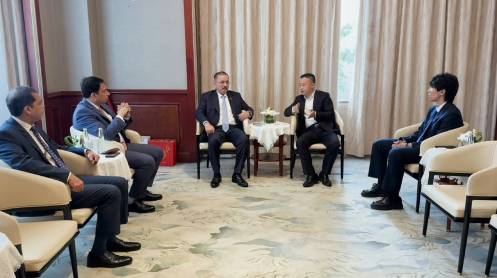
At a meeting with members of the Korangi Association of Trade and Industry (KATI), K-Electric Board Chairman Shaheryar Chishti said the utility was investing Rs15 billion to upgrade its power infrastructure and improve the reliability of electricity supplies to industrial consumers.
He said the investment would cover the installation of new cables and wires, grid upgrades, feeder bifurcation and other infrastructure improvements aimed at strengthening Karachi’s power network.
Chishti said K-Electric’s network currently comprised more than 2,100 feeders, with over 70% exempt from loadshedding. He added that industrial consumers had not faced loadshedding since 2013.
K-Electric Chief Executive Syed Muhammad Taha said the company was introducing new technologies, feeders and modern systems to address electricity and power-quality issues in industrial areas.
He noted that power-quality problems in some industrial zones were partly linked to residential settlements located in and around industrial areas. The company plans to address these issues through additional feeders and infrastructure upgrades.
Taha said K-Electric was also gradually transforming Karachi’s electricity network into a smart grid, with the introduction of smart metering and other modern technologies.
Clarifying the tariff issue, he said changes in electricity tariffs were beyond K-Electric’s authority, although the company was working with relevant institutions to help address the concerns of industrial consumers.
Earlier, KATI President Muhammad Ikram Rajput said Pakistan’s industrial sector was under severe pressure because of high electricity and energy costs.
He said rising production expenses were making it increasingly difficult for Pakistani manufacturers to compete in regional and international markets. Electricity tariffs, fuel charges, surcharges and other additional costs were adding significantly to the financial burden on industry.
Rajput urged the government to review electricity tariffs for industrial consumers and reconsider additional charges that were adversely affecting production costs.
He also highlighted the burden of capacity payments, particularly payments for unused electricity generation capacity, which he said had become a major challenge for both industry and the wider economy.
The KATI chief called for greater consultation between the government, power distribution companies and industrial stakeholders to develop a sustainable mechanism that could provide industry with competitive electricity rates, reliable power supplies and relief from unnecessary financial burdens.
While K-Electric’s planned Rs15 billion infrastructure investment is expected to improve supply reliability, industrialists maintained that reducing the overall cost of electricity remains essential for restoring industrial competitiveness and supporting economic growth.